I Love You, Thank You, Sorry: First read of Chye-Ling Huang's latest play

A revengeful reading of a play in development

Photos: Abigail Dell'Avo

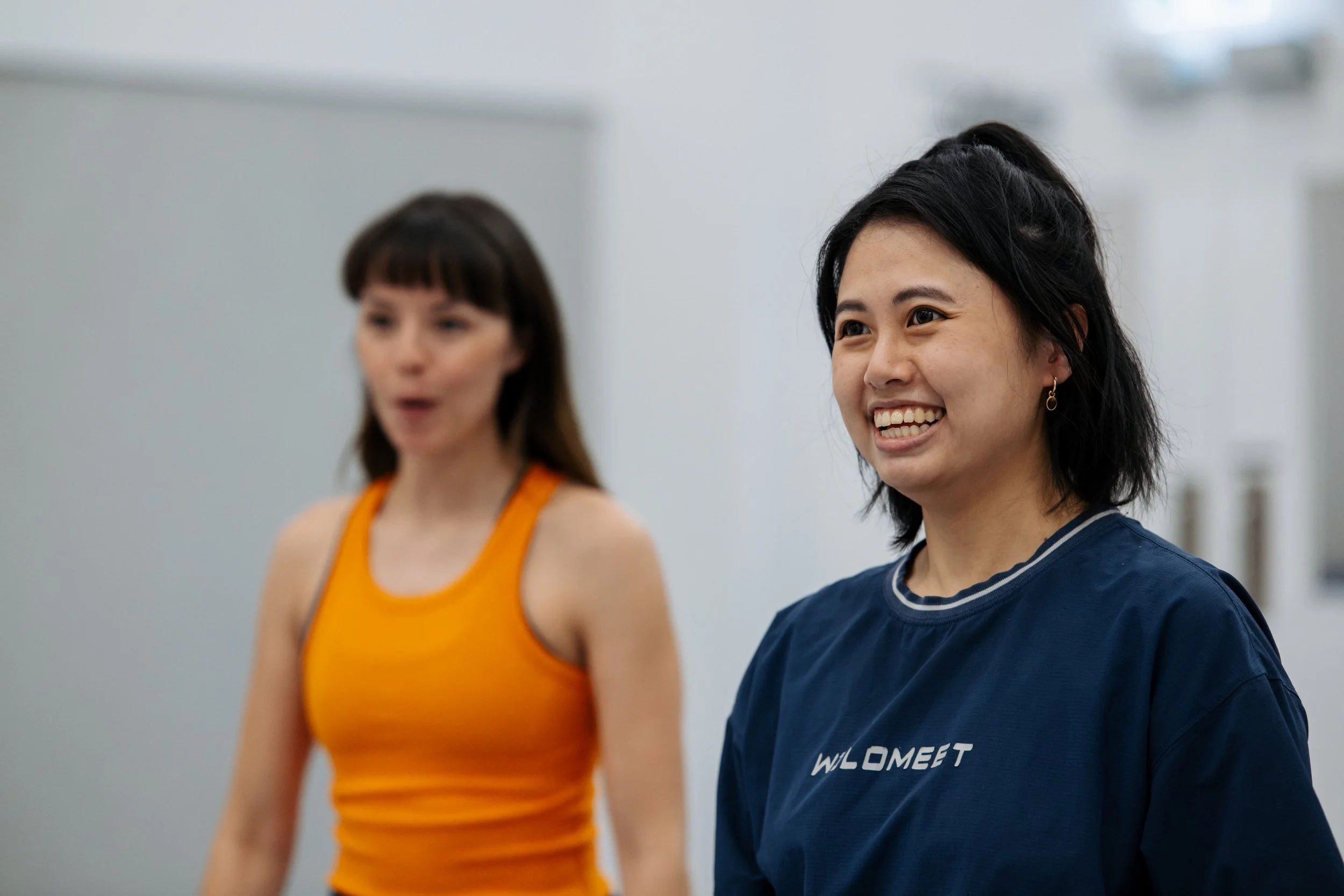
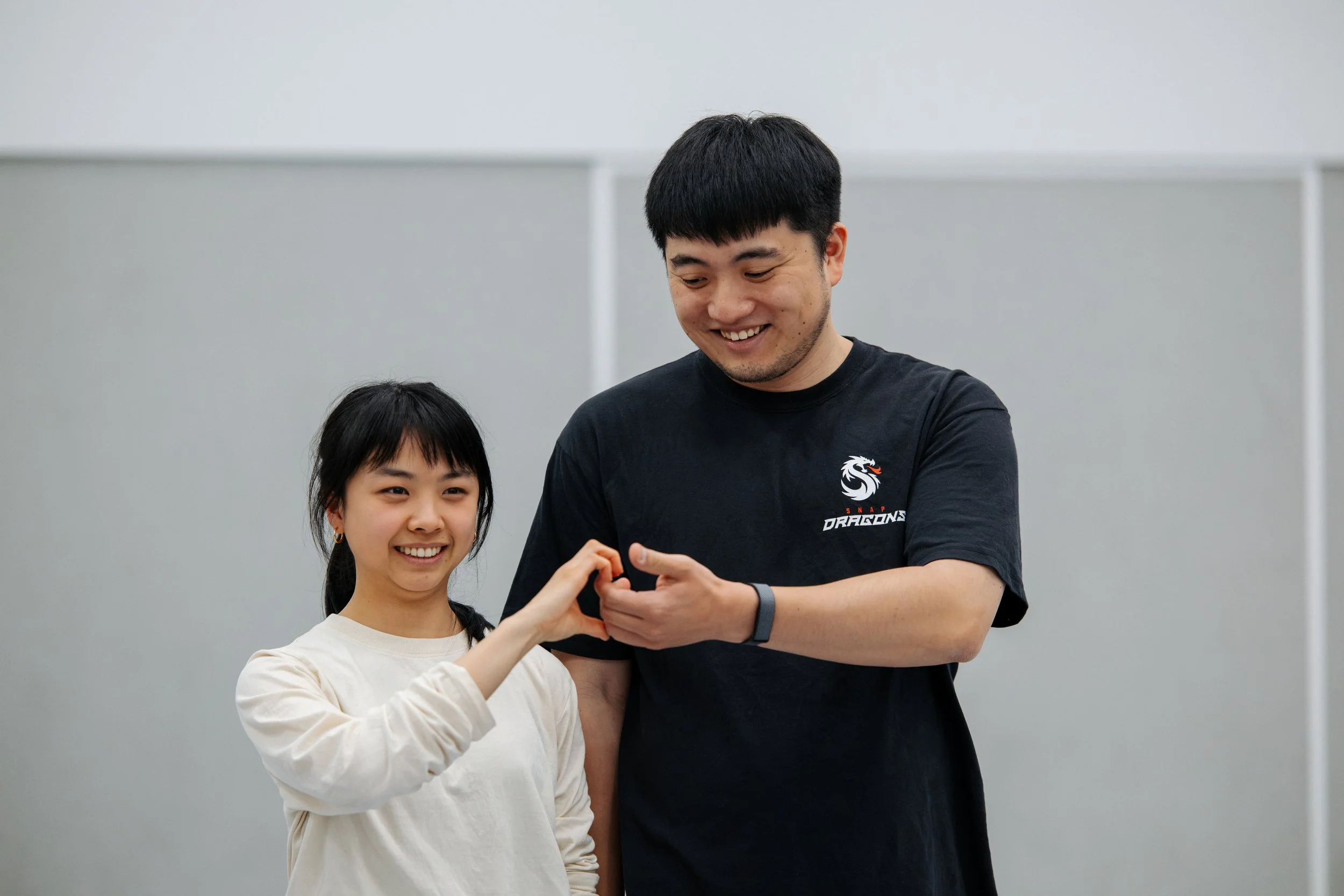
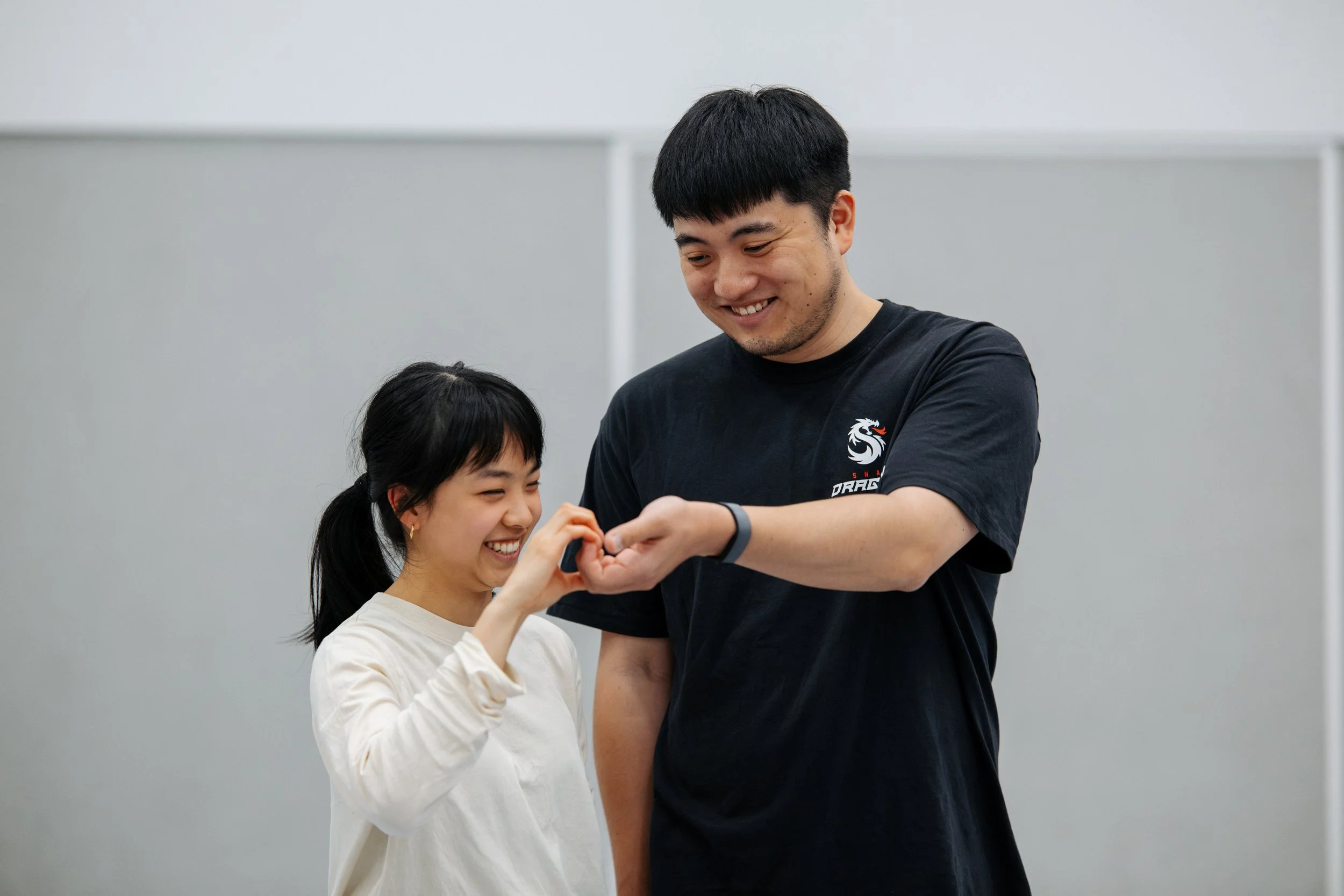
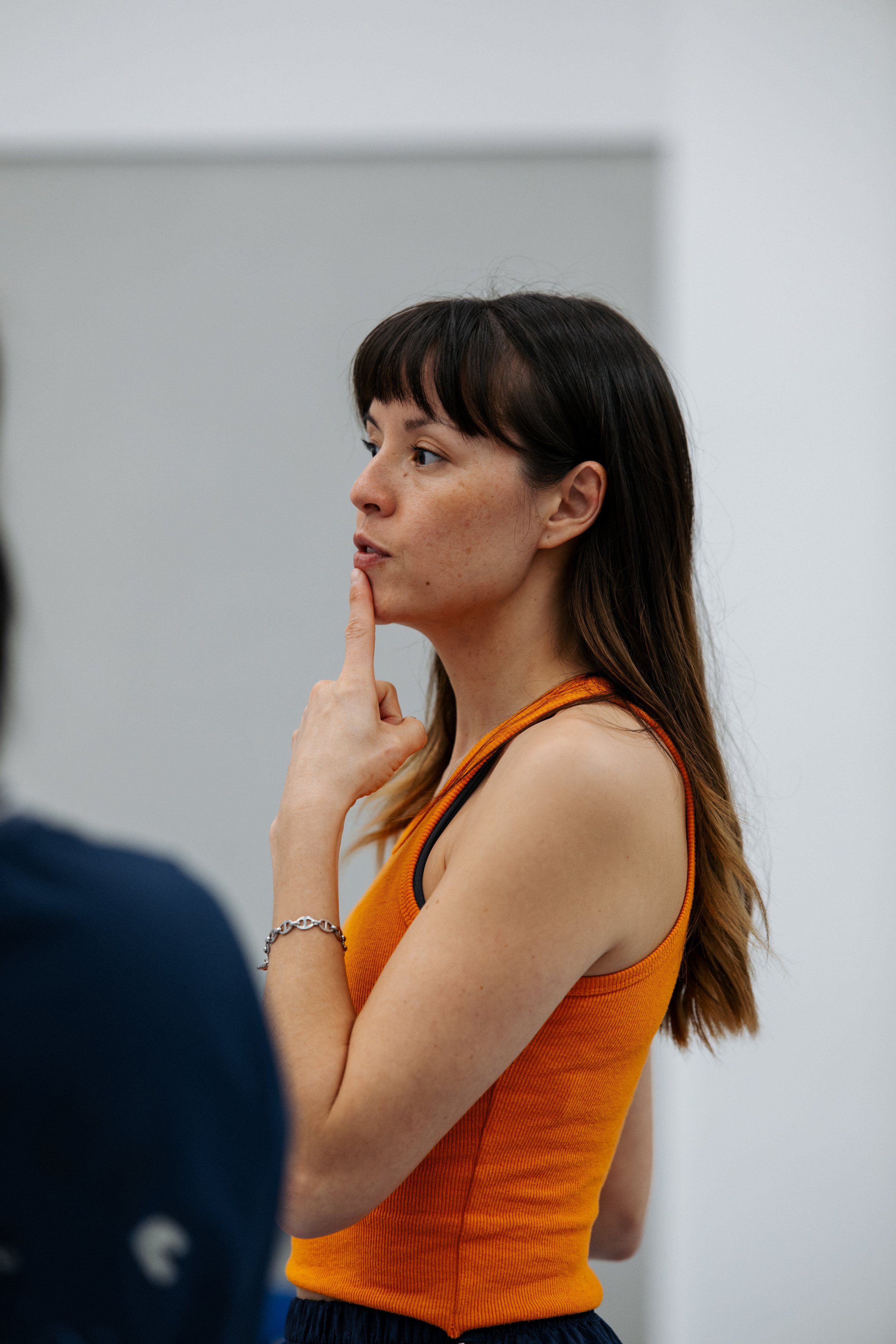
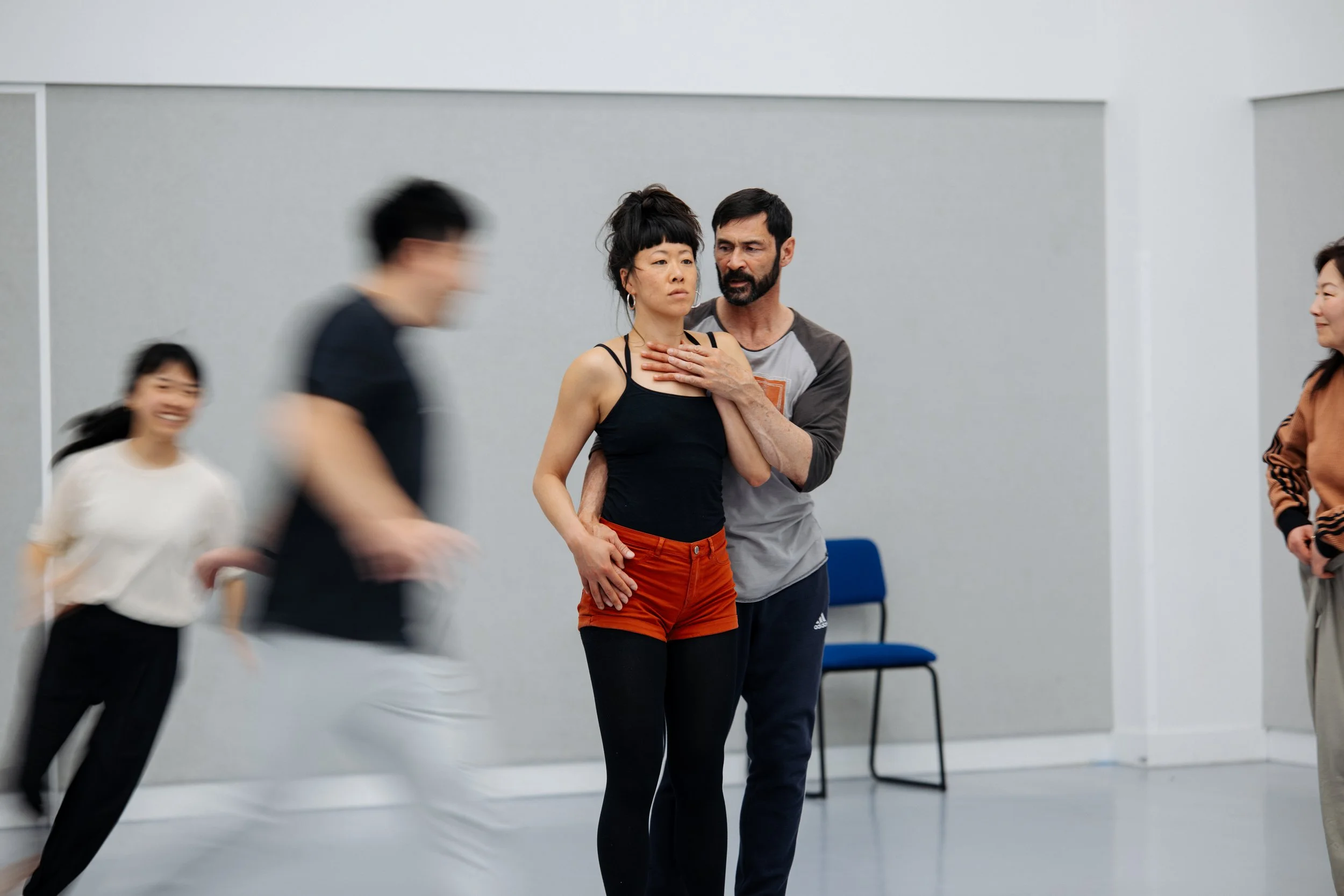
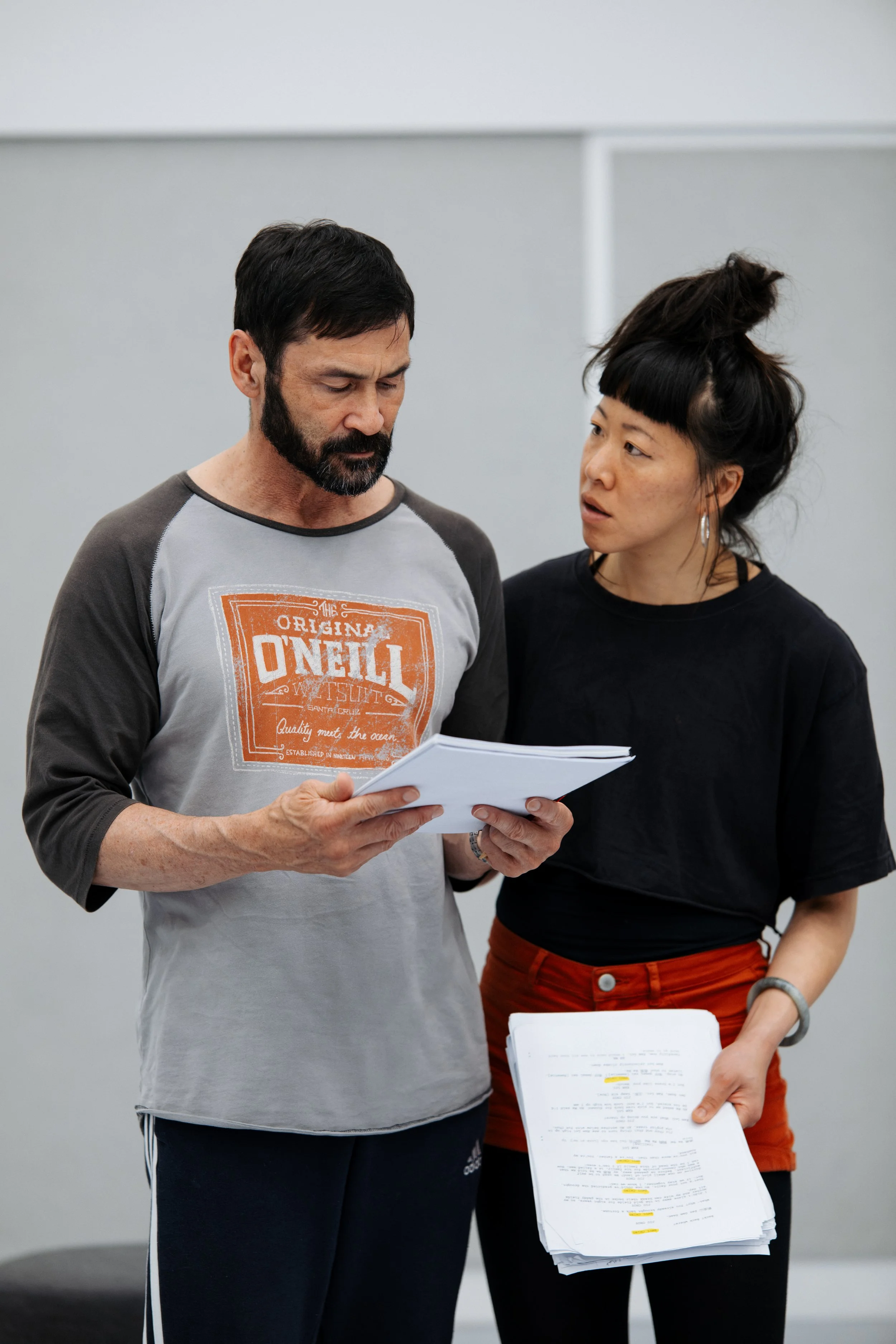
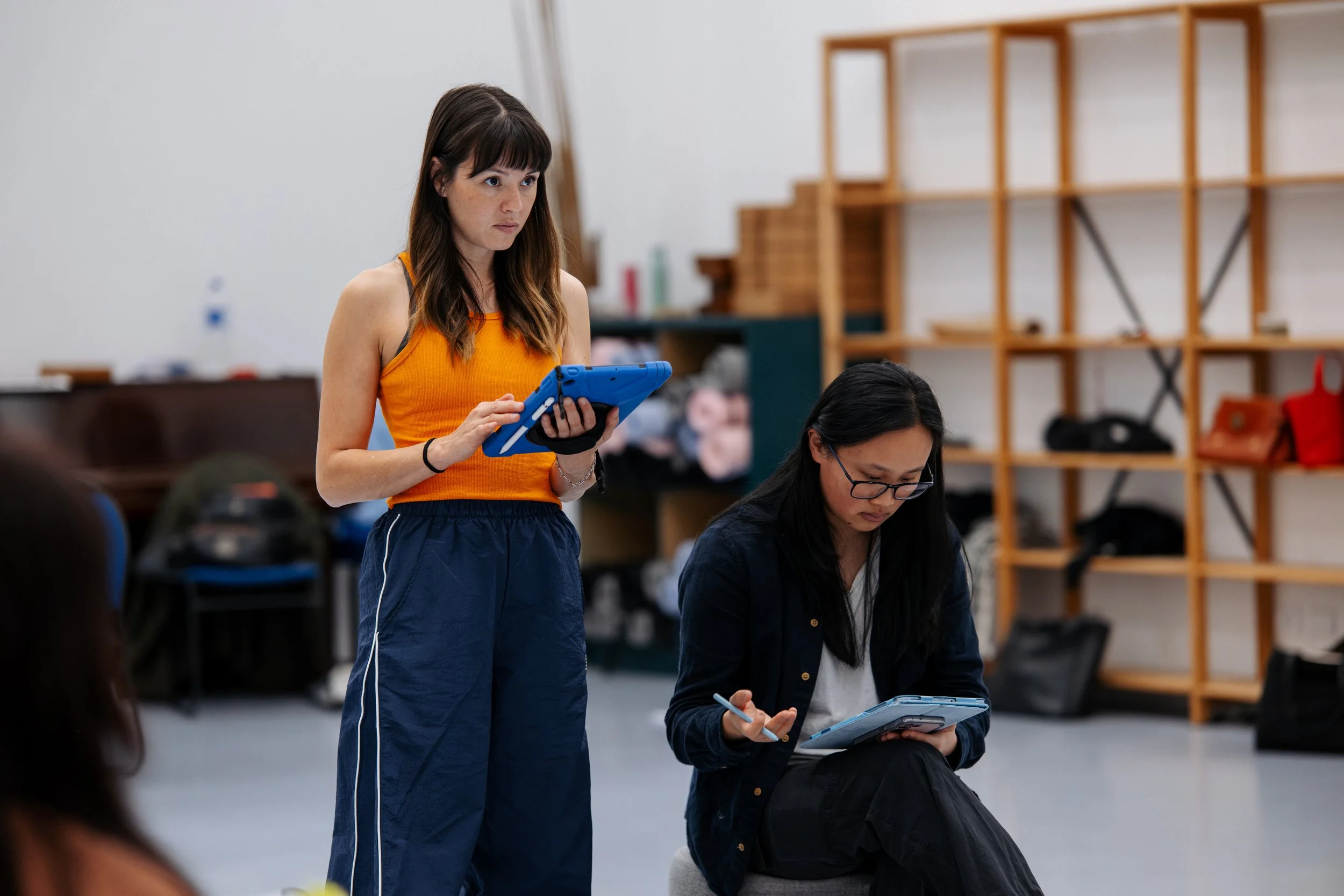
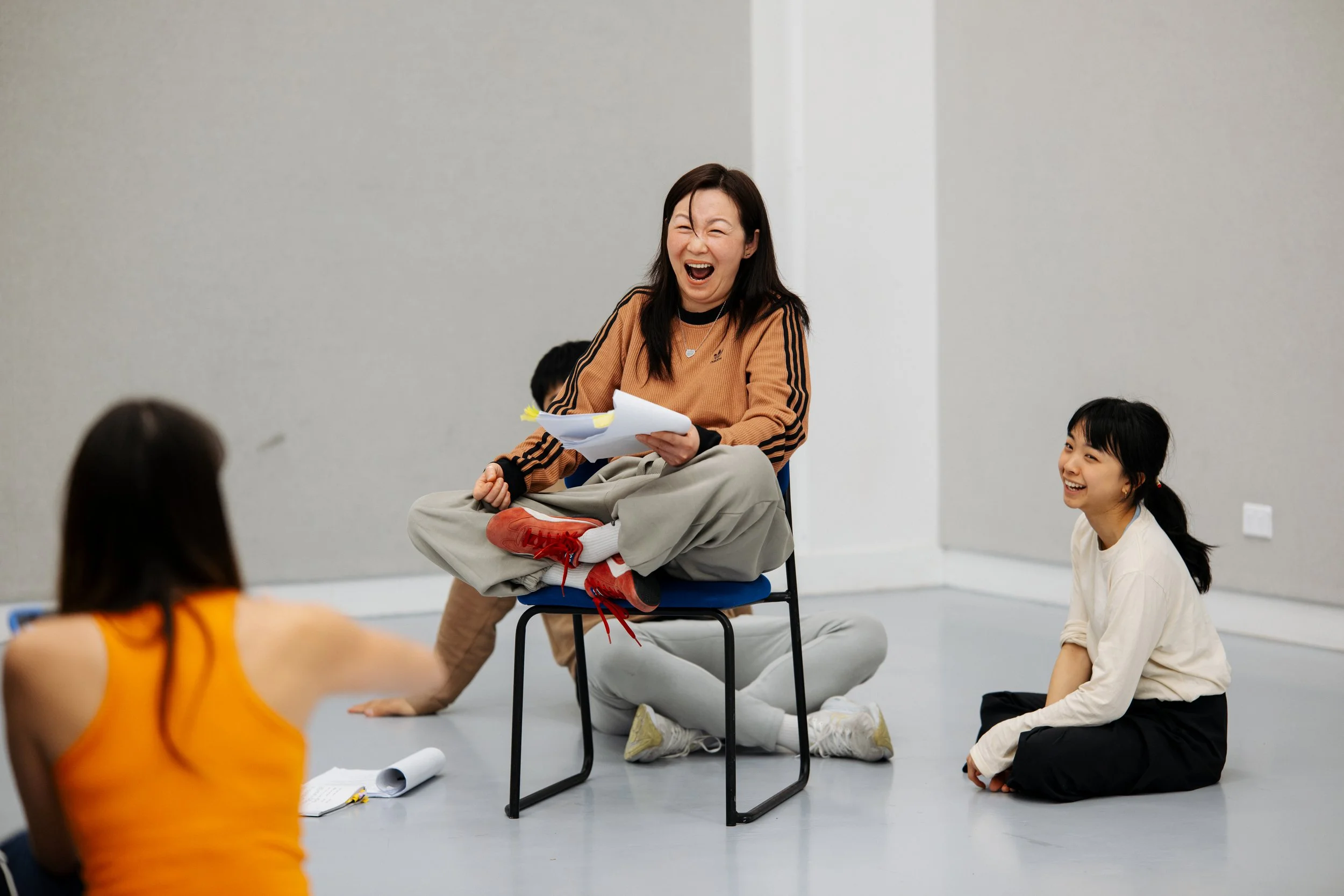
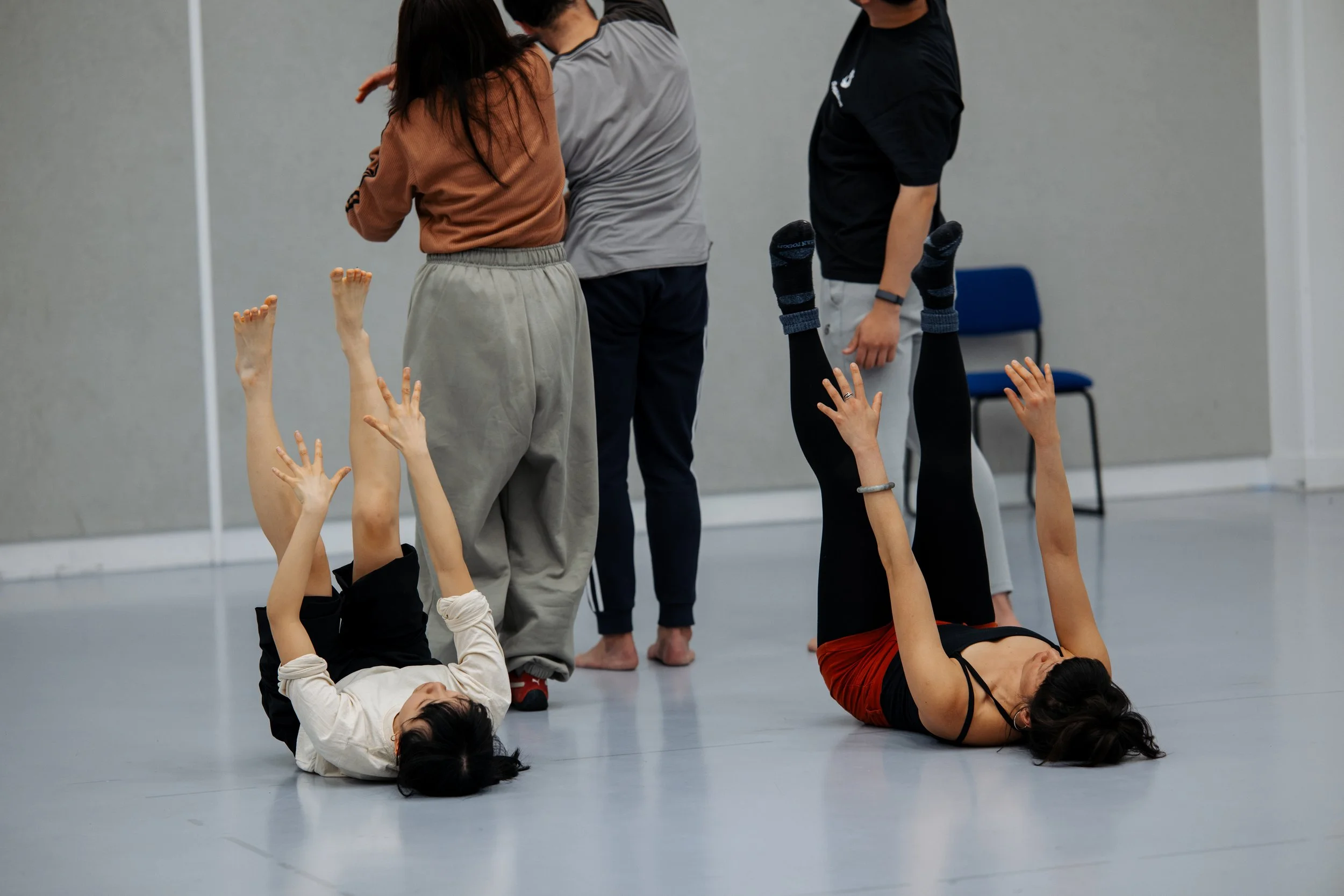
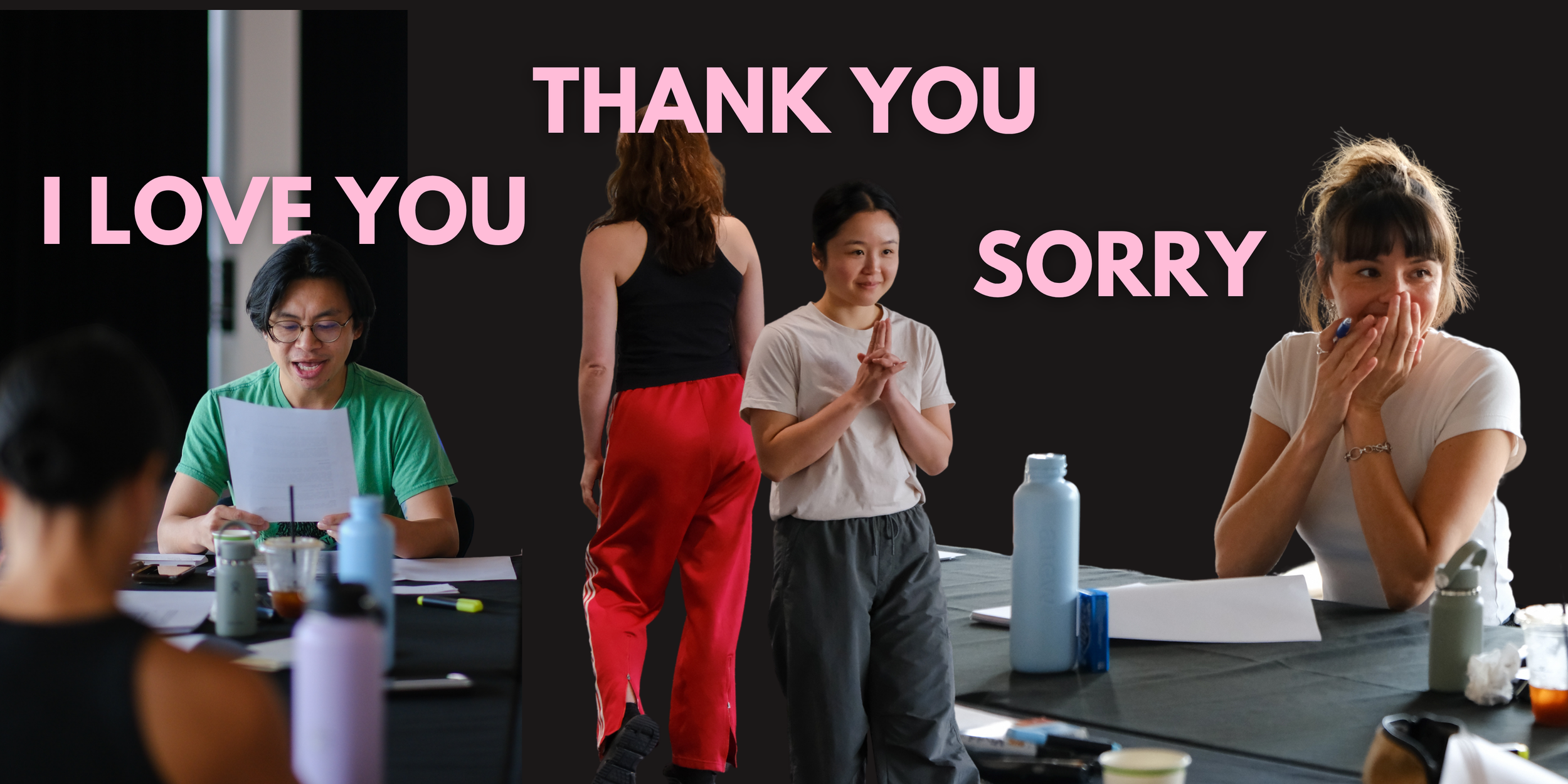
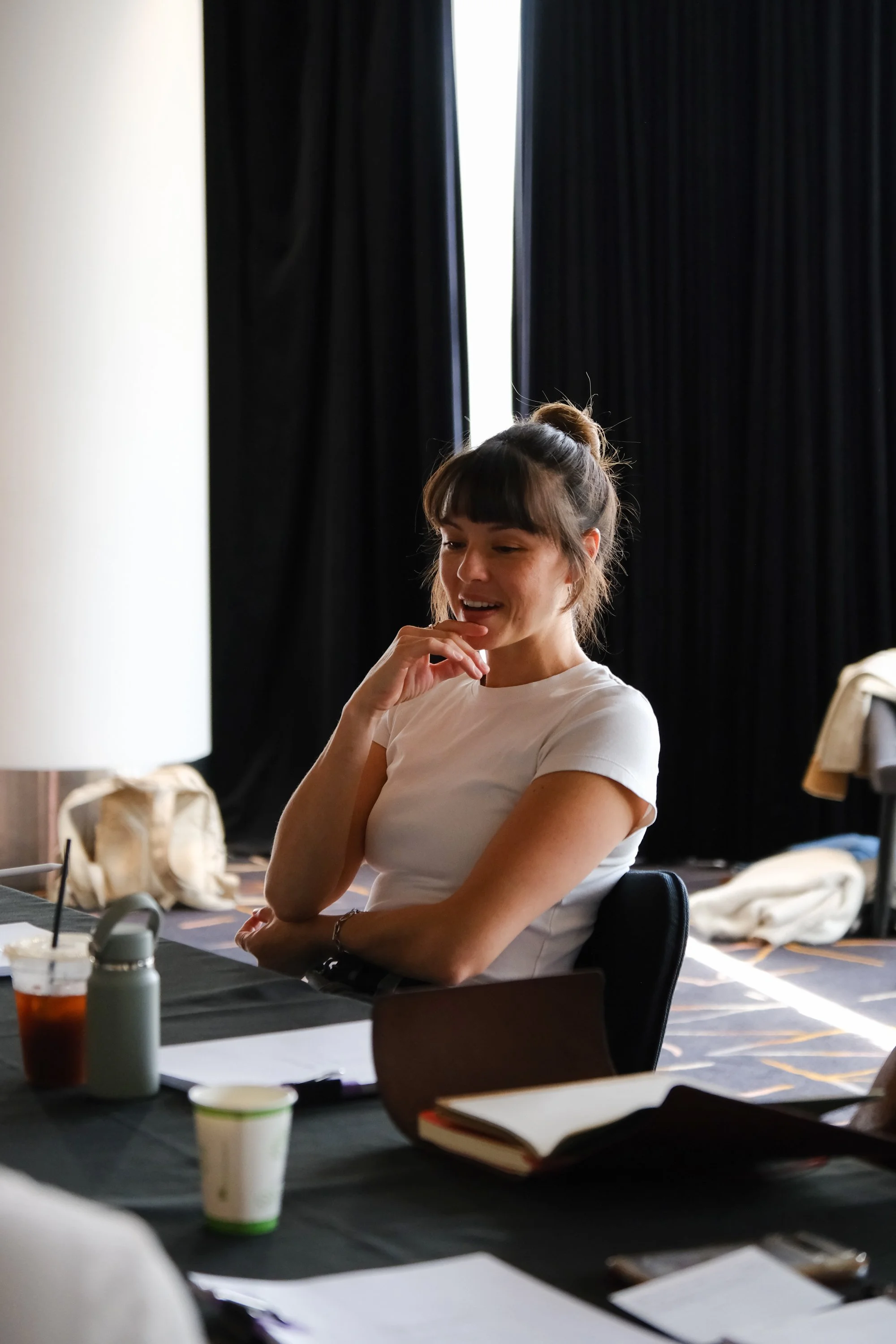
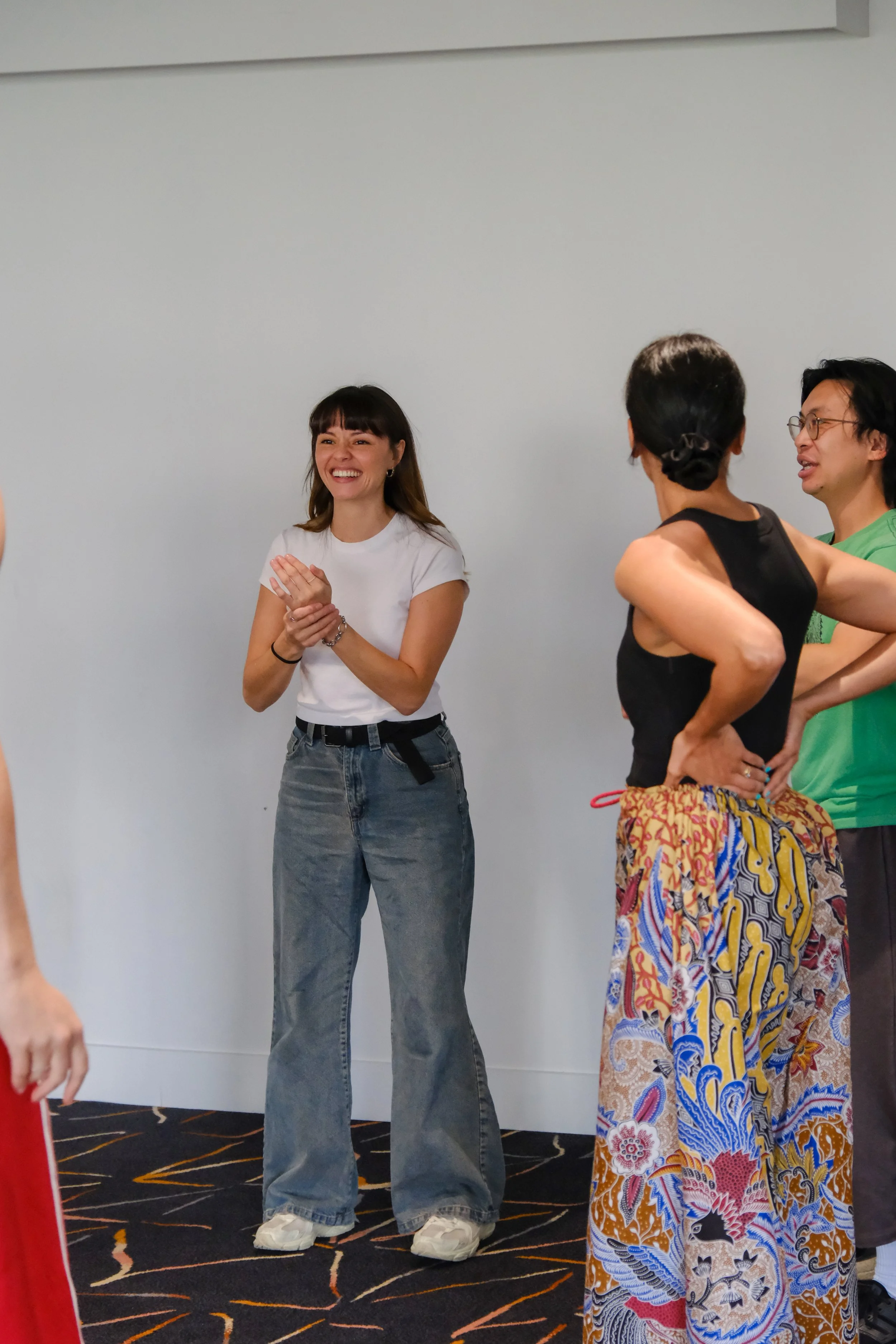
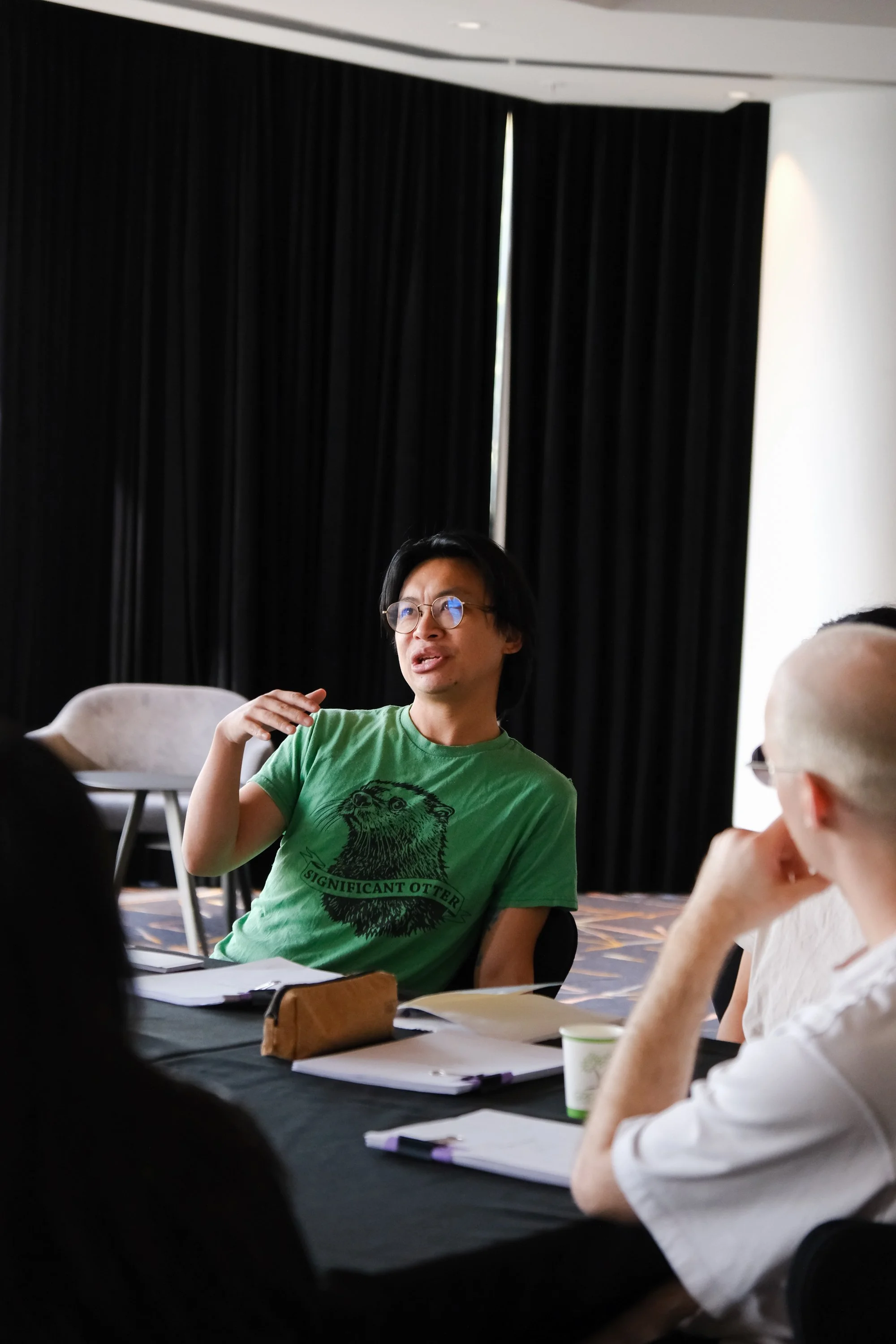
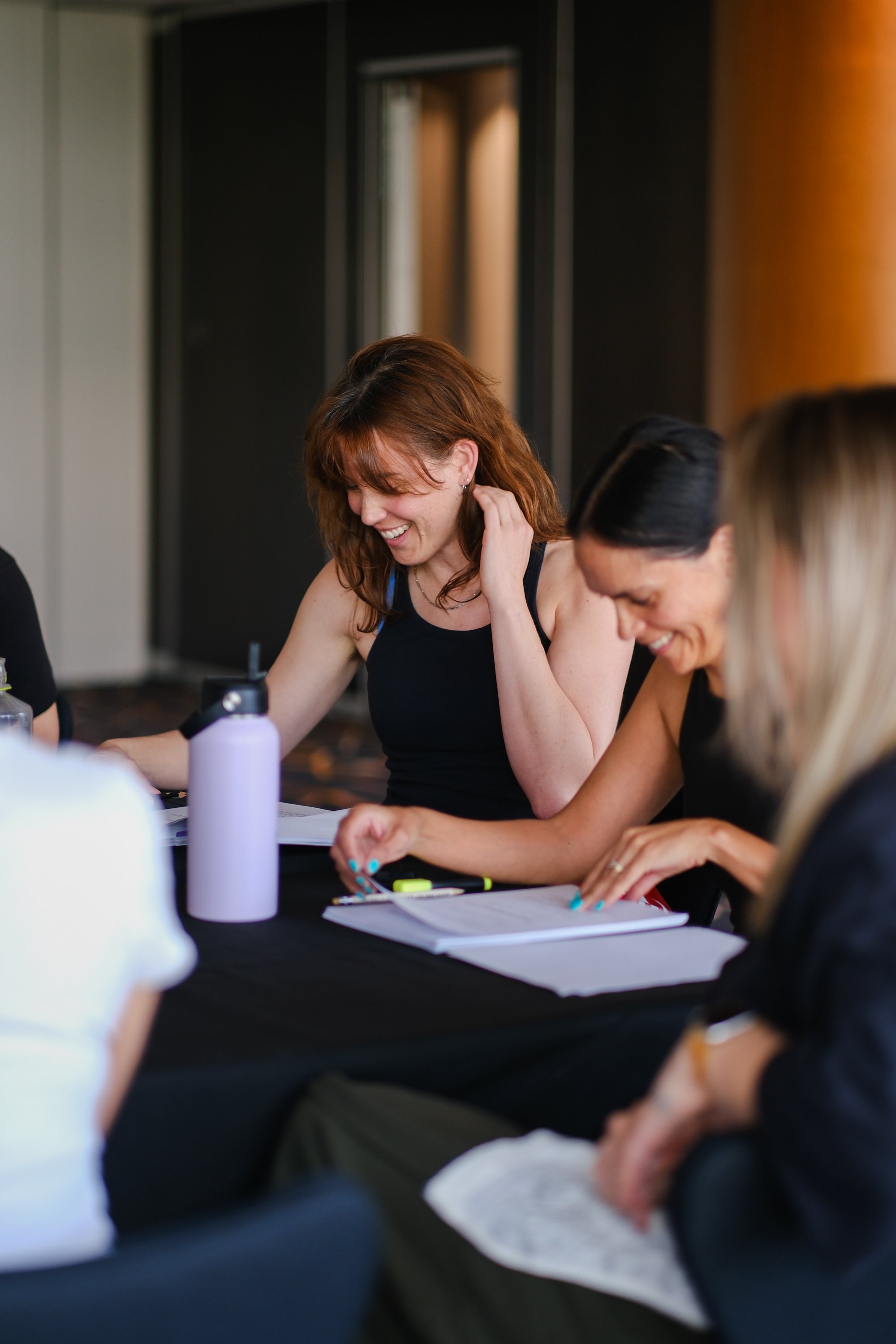
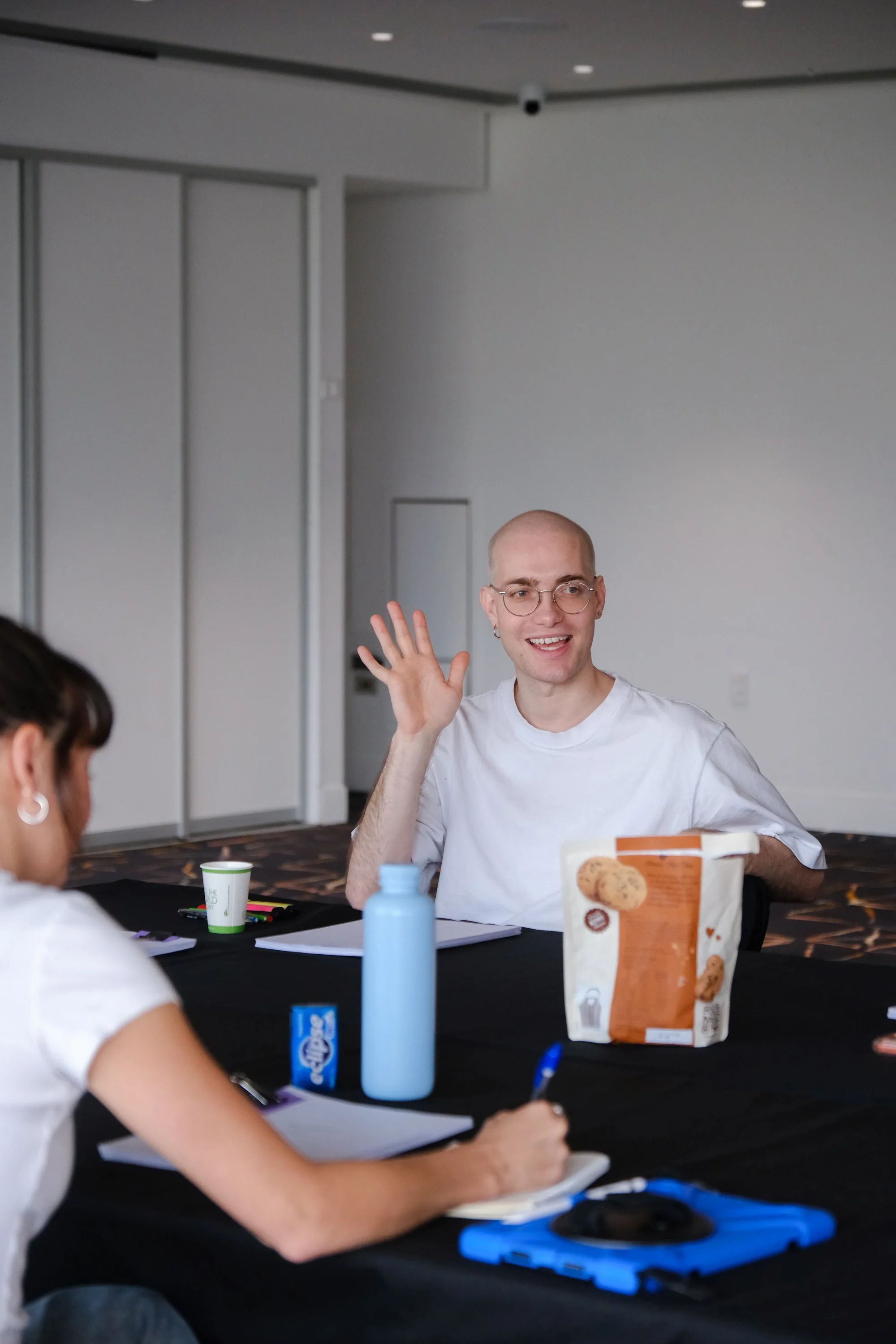
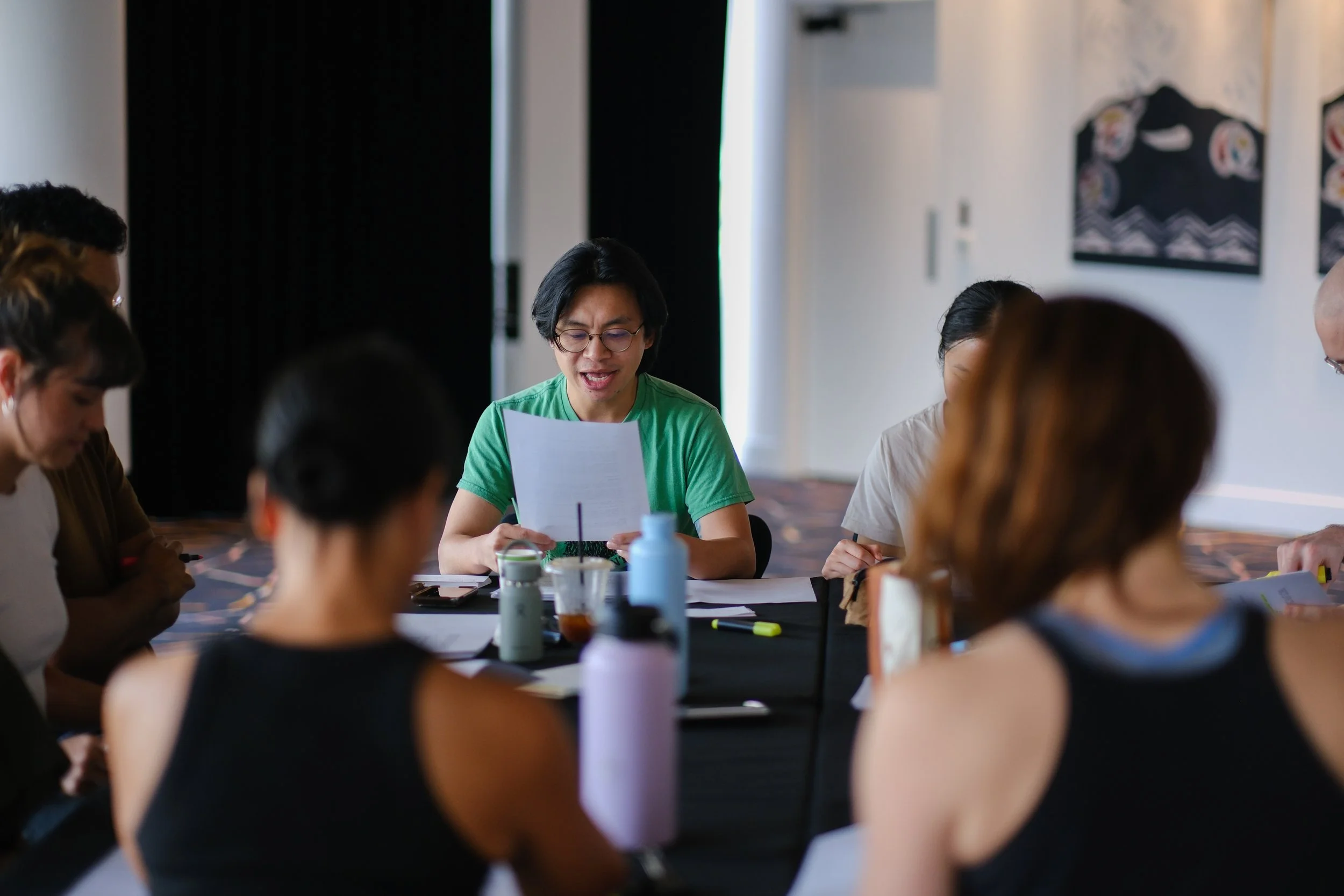
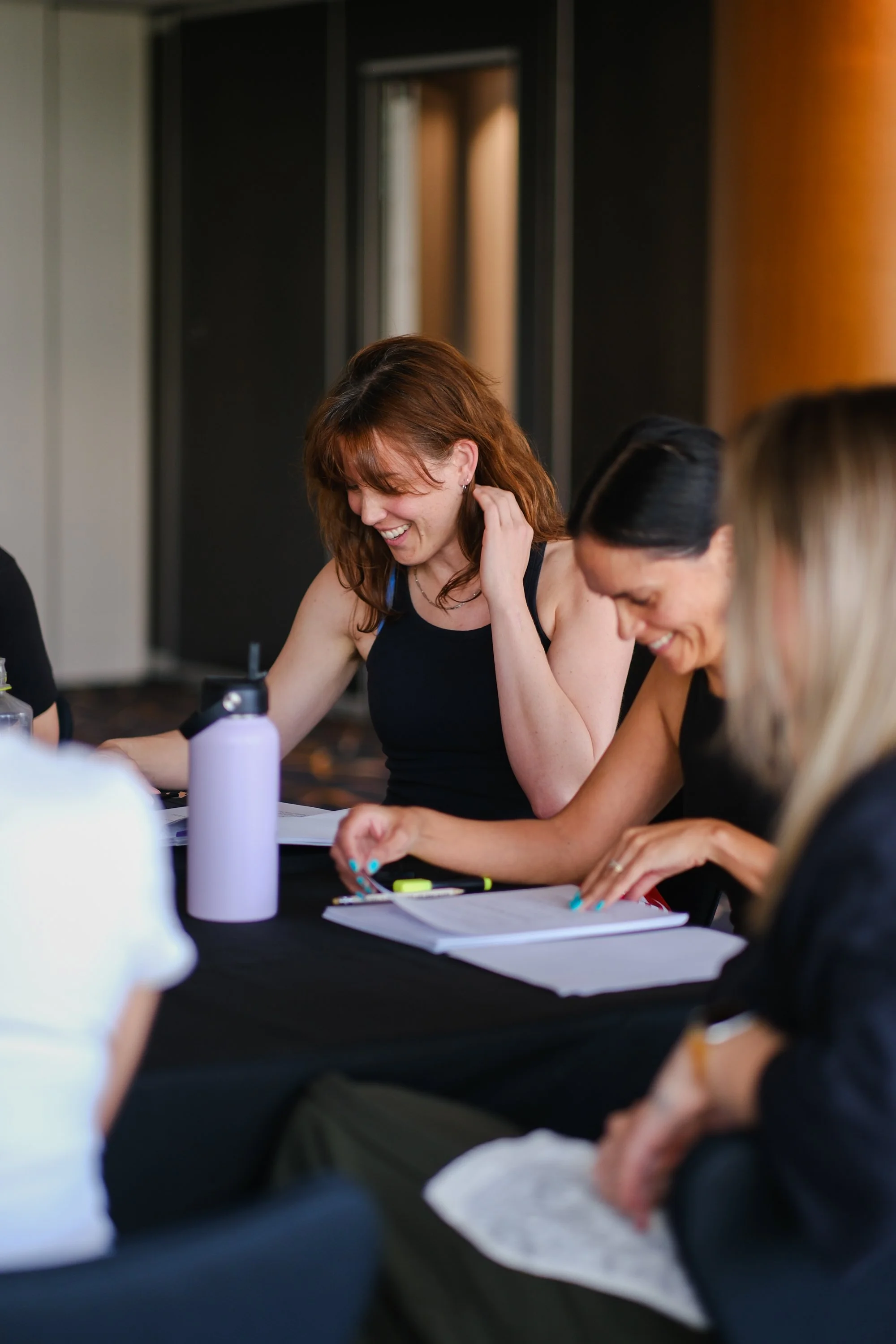
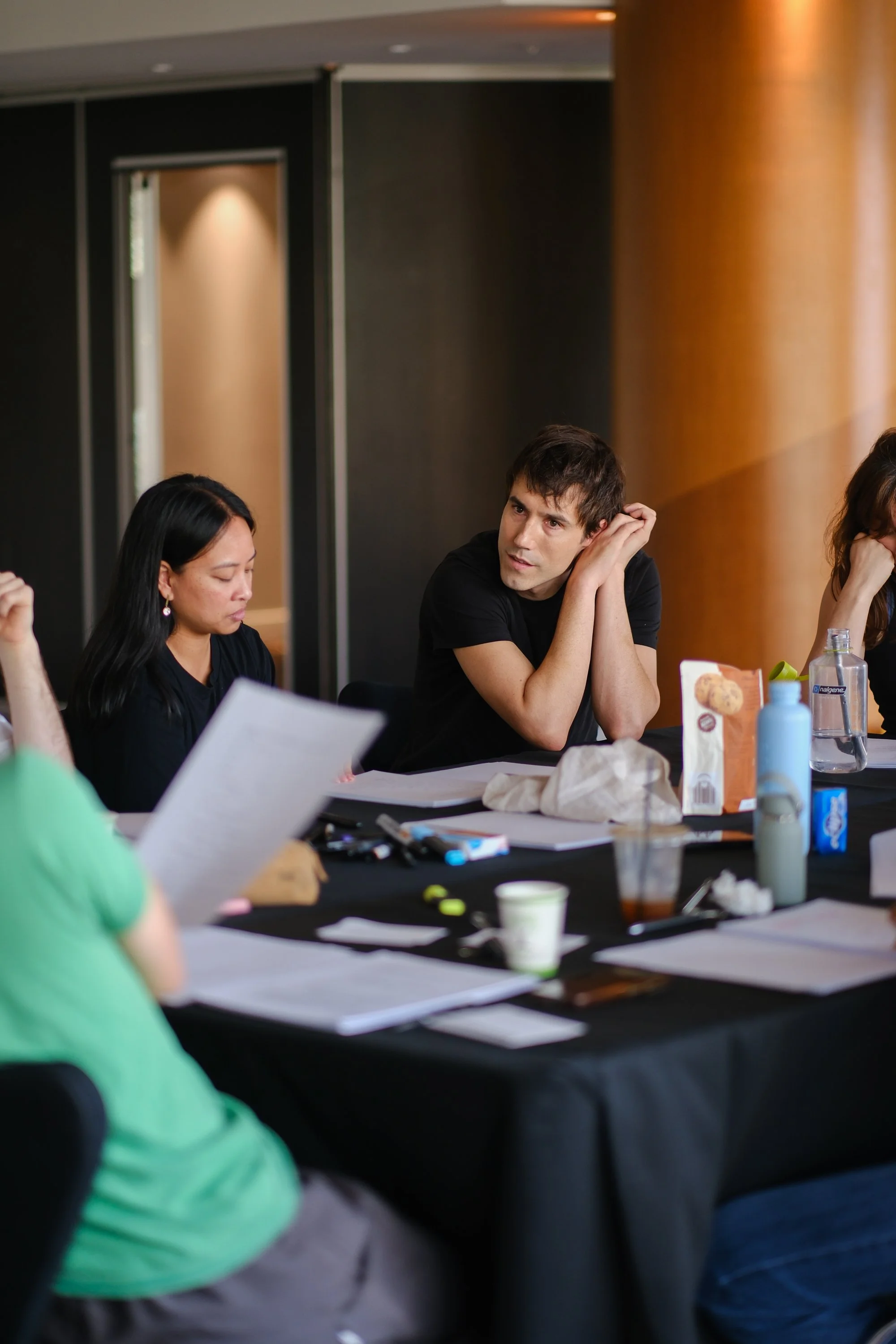
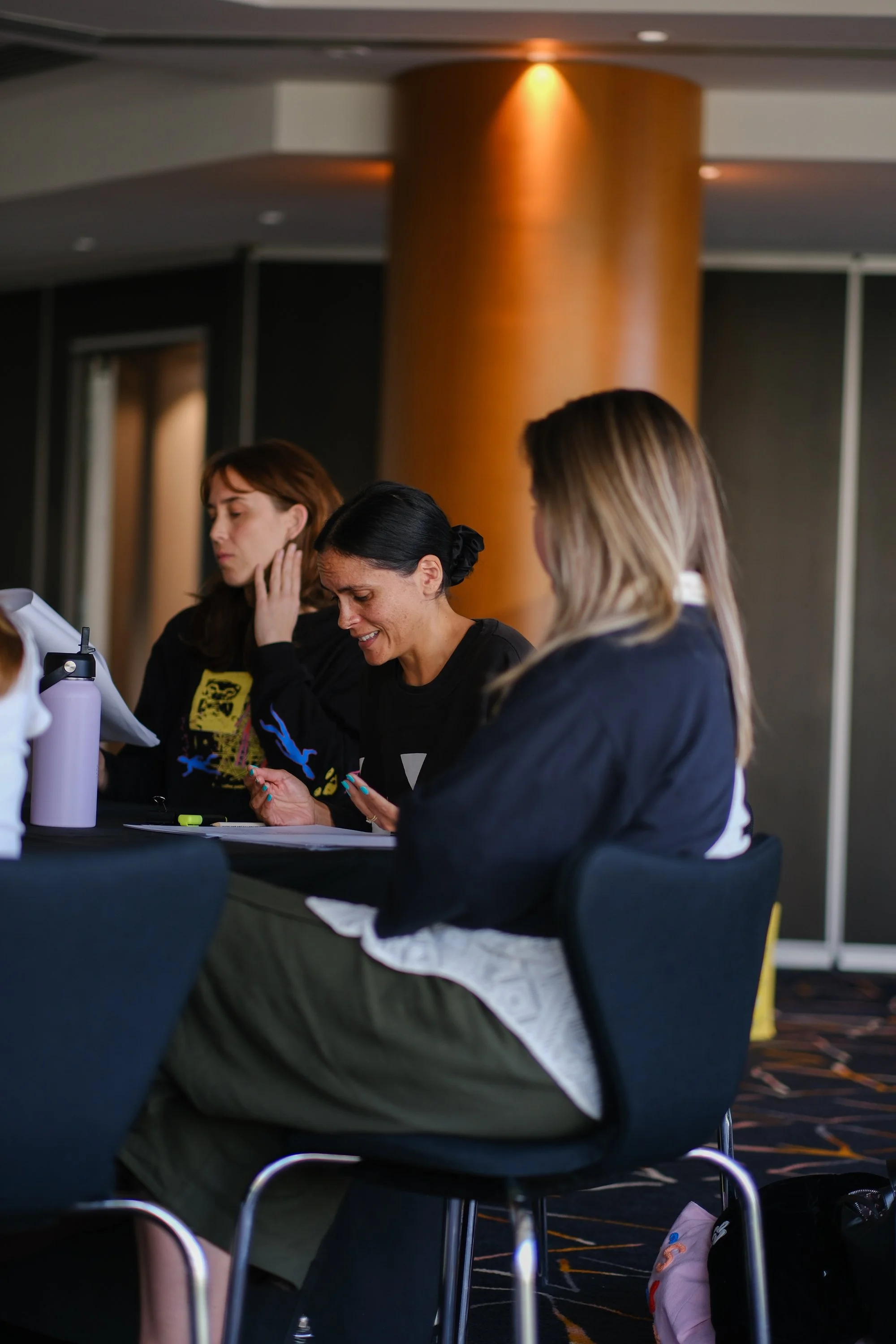
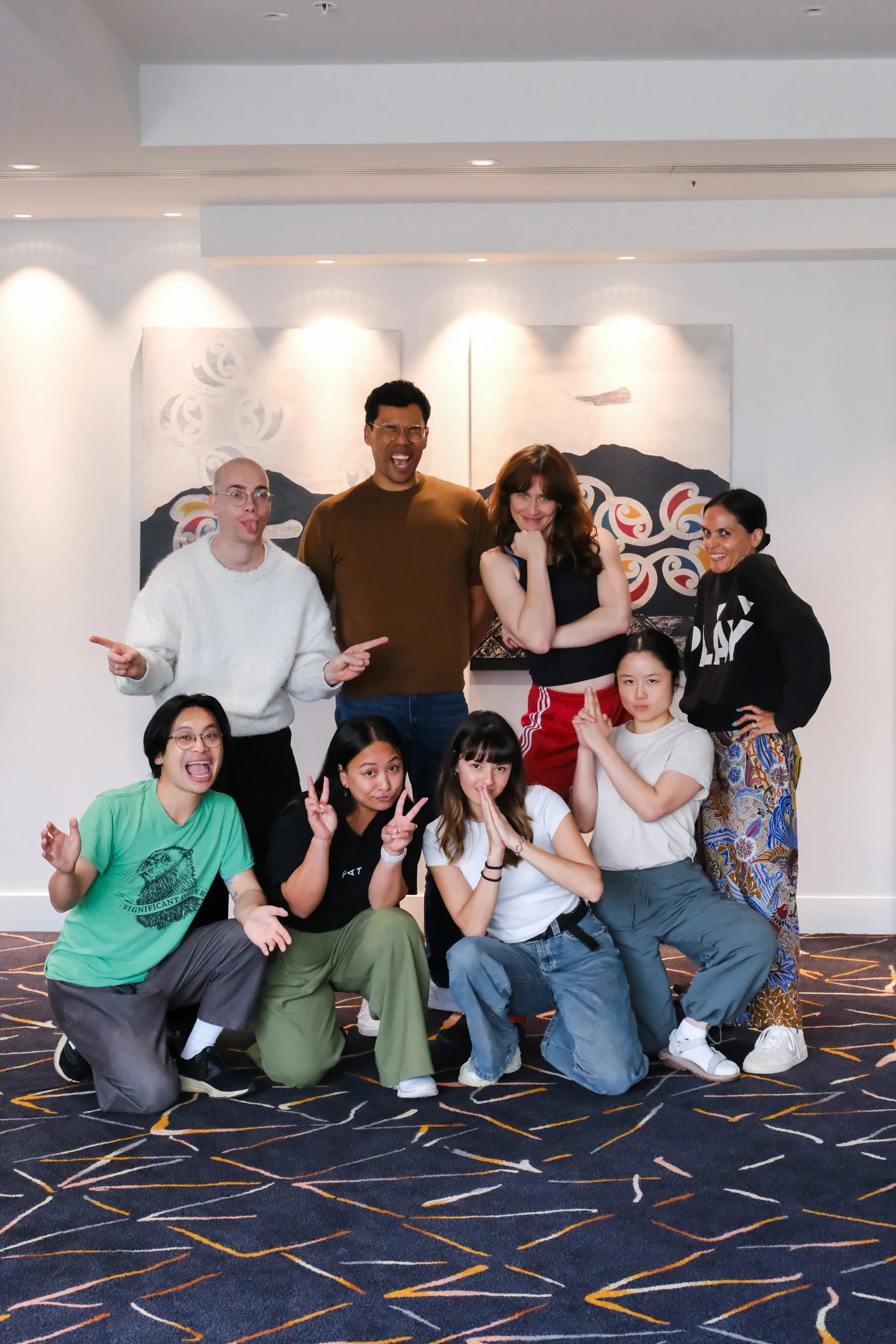
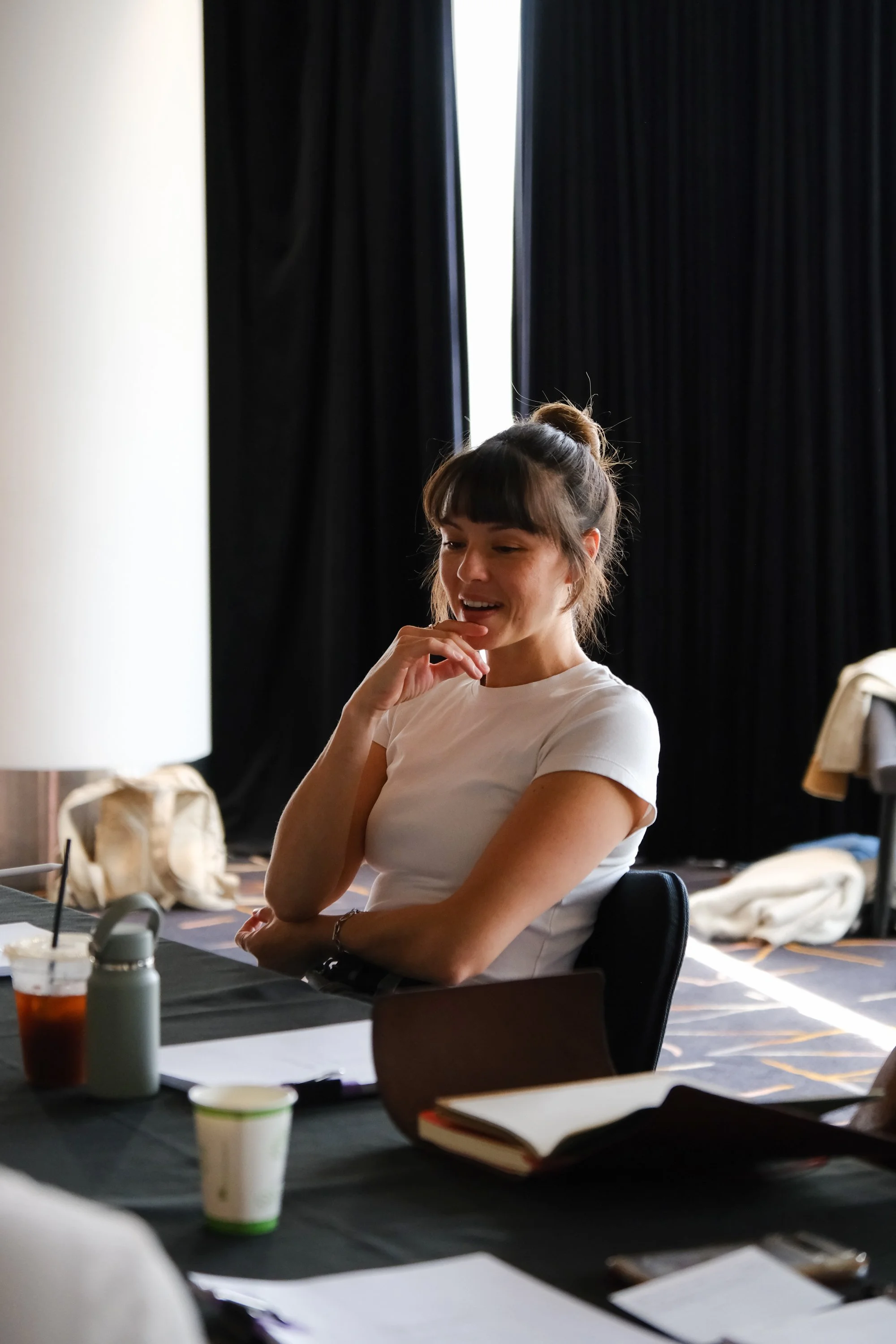
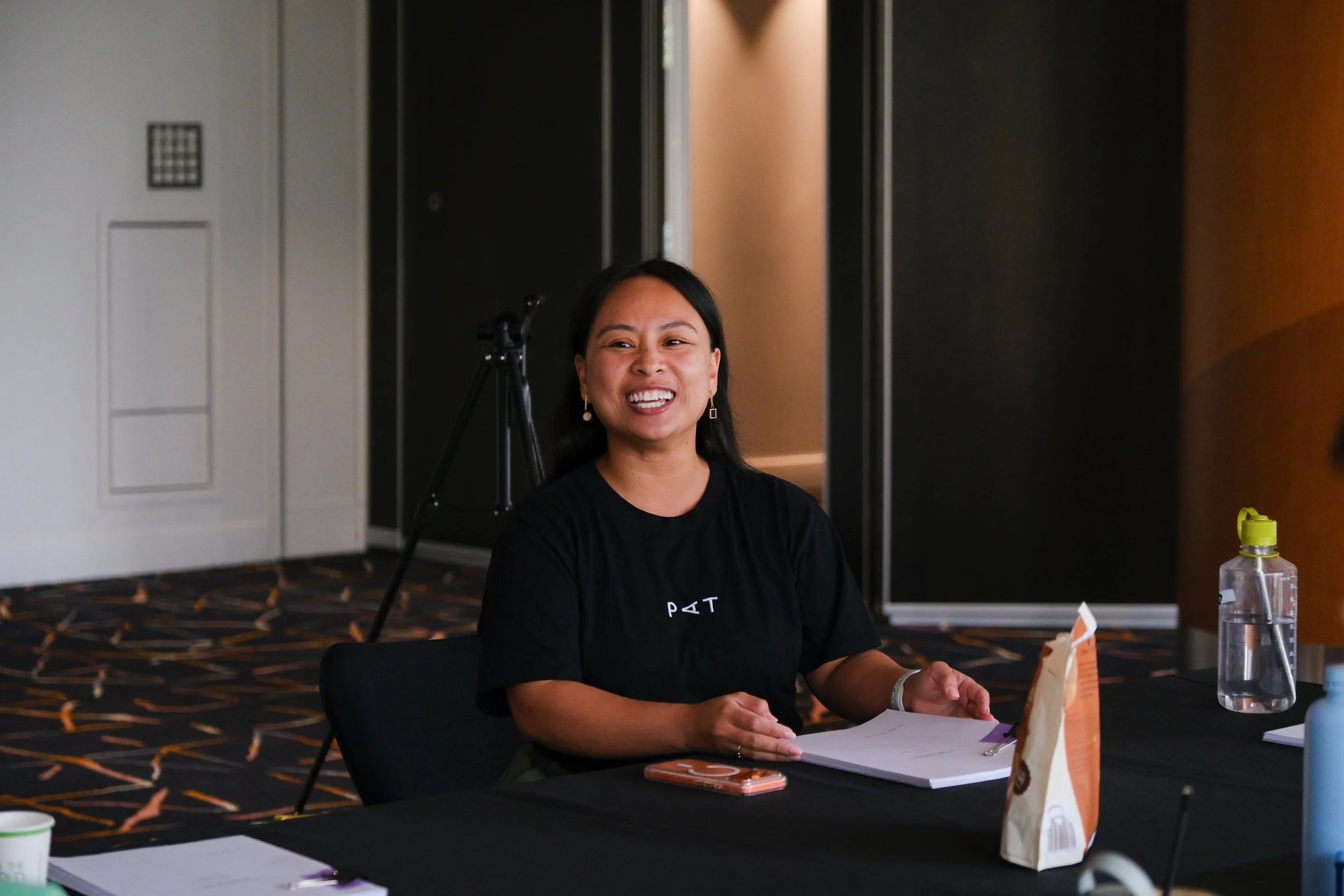
Chye-Ling Huang’s explosive new play has been cooking within PAT for a few years. From Red Leap workshops during the height of Covid to figure out the physical tone, to a ReFresh Development under PAT’s wing; the full, meaty draft had its first out-loud reading at the Waihorotiu room at the Aotea Centre last Sunday.

Chye-Ling says, “The play is a workshop inside the head of a survivor of sexual assault. The cast consist of a chorus of 5, playing characters based loosely on parts work; different parts of this character's psyche and viewpoints.“

“I love the fun and goofiness that the workshops on this previously explored. When it came down to it, I needed to actually get into the darkness of the subject to say anything meaningful, which has been the hardest part of the process.“

Facilitated by Nathan Joe, (dramaturg), the workshop was a first-read for tone, story and sense-making.

“Nuance is painful to accept, but we need it more than ever to combat the grossly escalating binaries being forced upon us. The conversation needs to be had, and it is my passionate belief that I can bring something new to it for both victims, allies and even perpetrators. “

WORKSHOP CREDITS:

Actors: Katie Burson, Daniel Nodder, Louise Jiang, Esaú Allemora, Natasha Daniel

Dramaturg: Nathan Joe

Producer: Marianne Infante

Photography: Abigail Dell'Avo

Thanks to Auckland Live for hosting us!

PAT CHATS: Rummy and Rumours with added Revenge: Sananda Chatterjee's homage to the bond of women

A murder mystery with juicy roles for Indian Aunties? Sandy’s got you. 

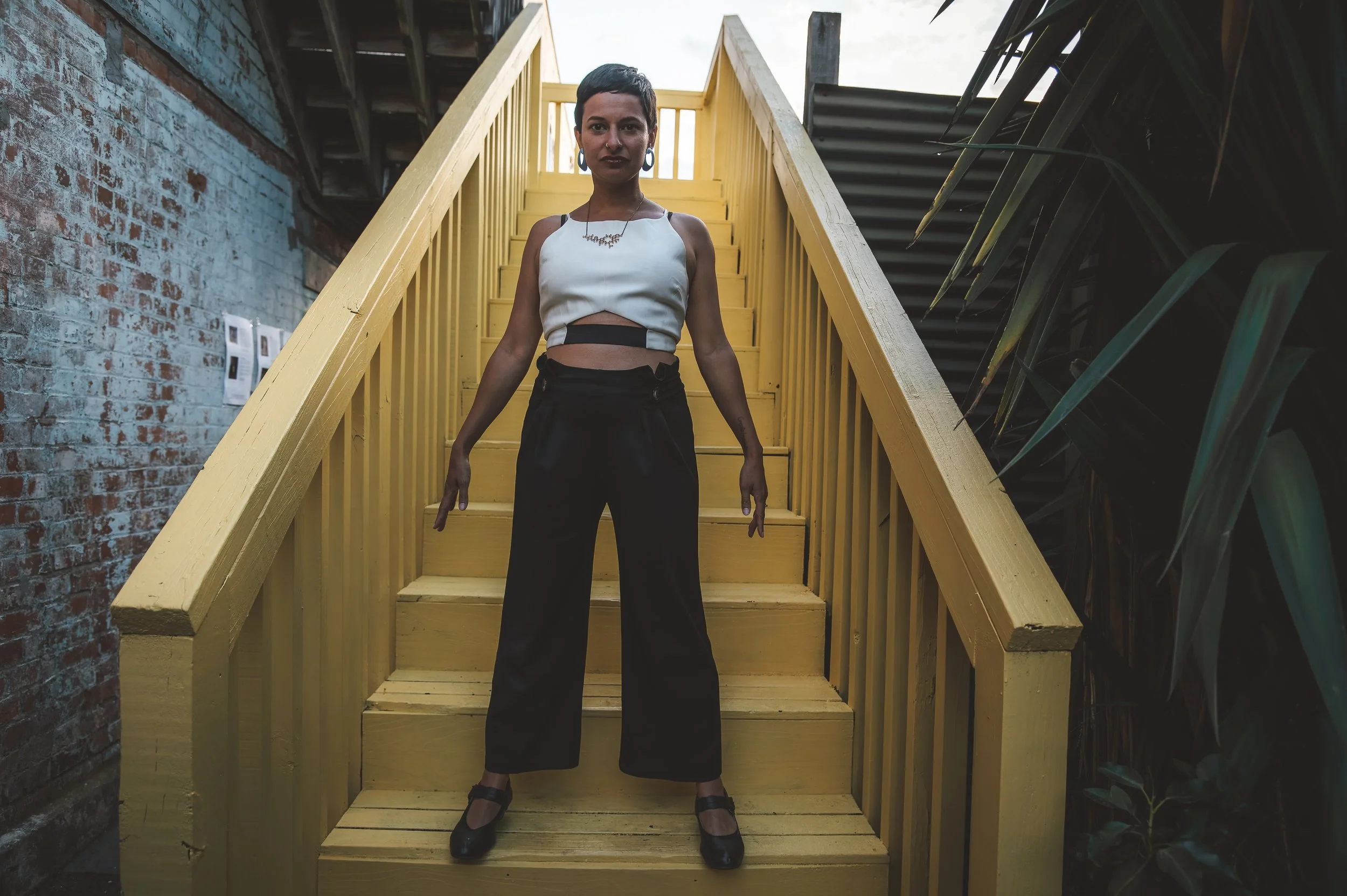
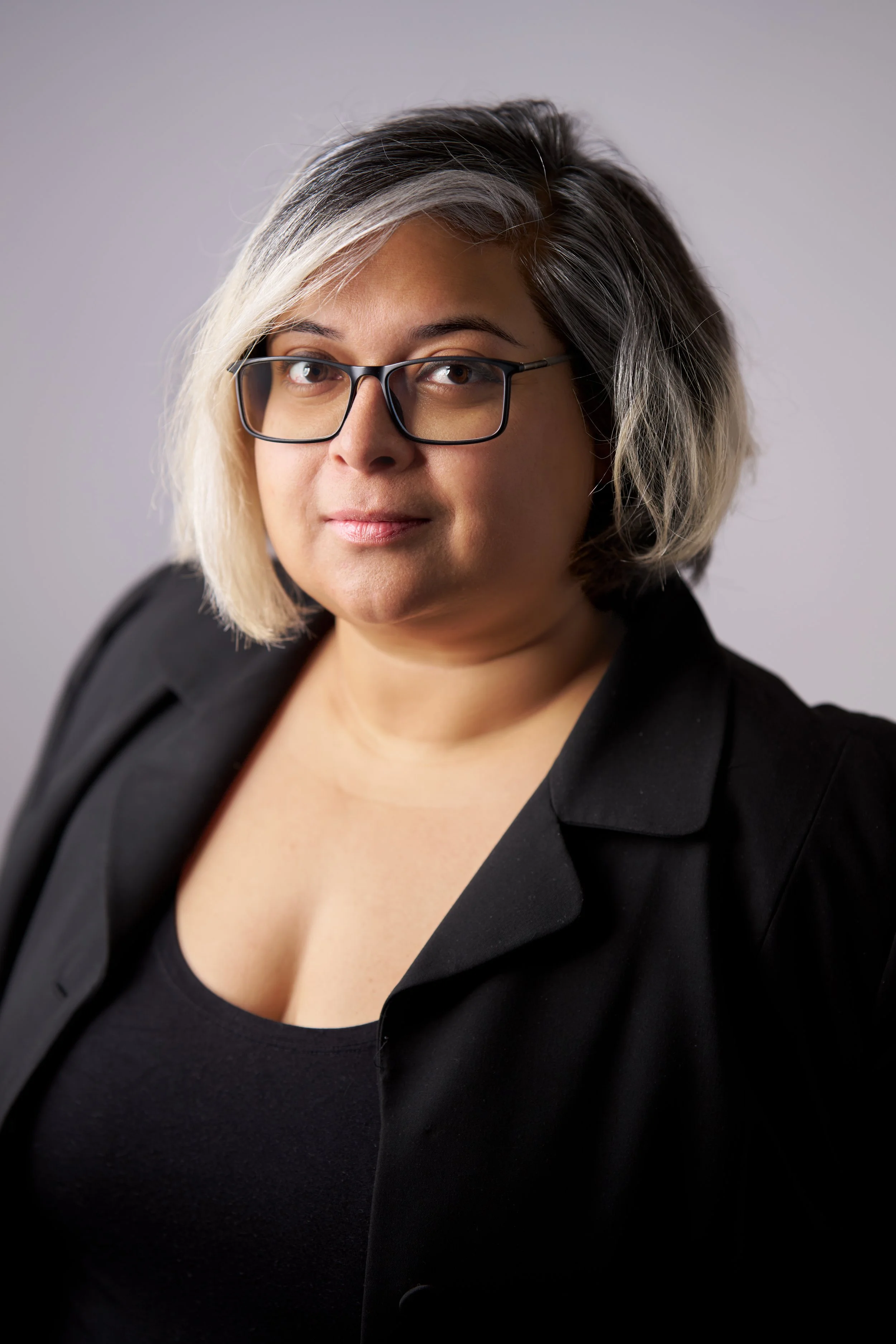
Sananda Chatterjee

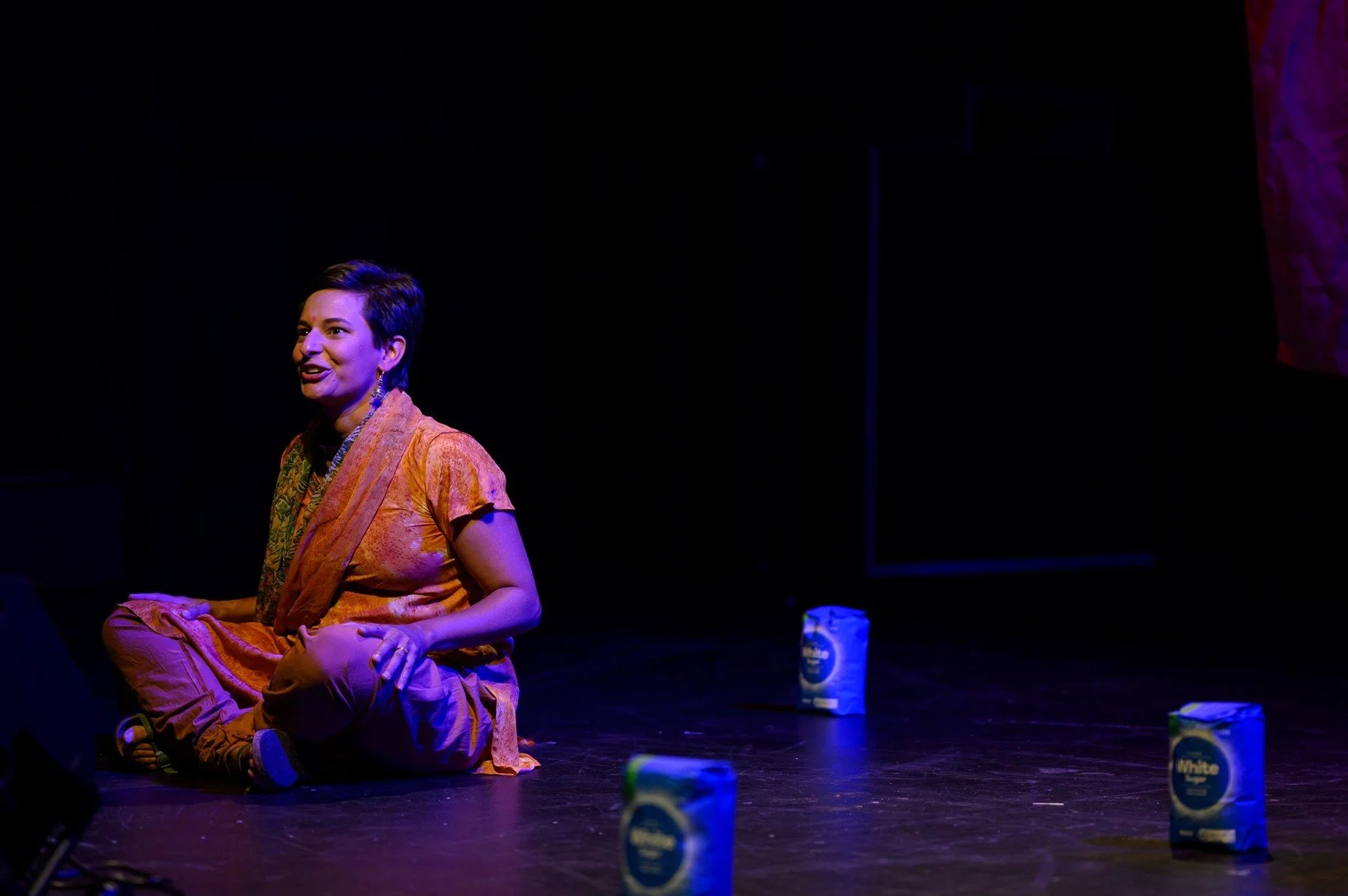
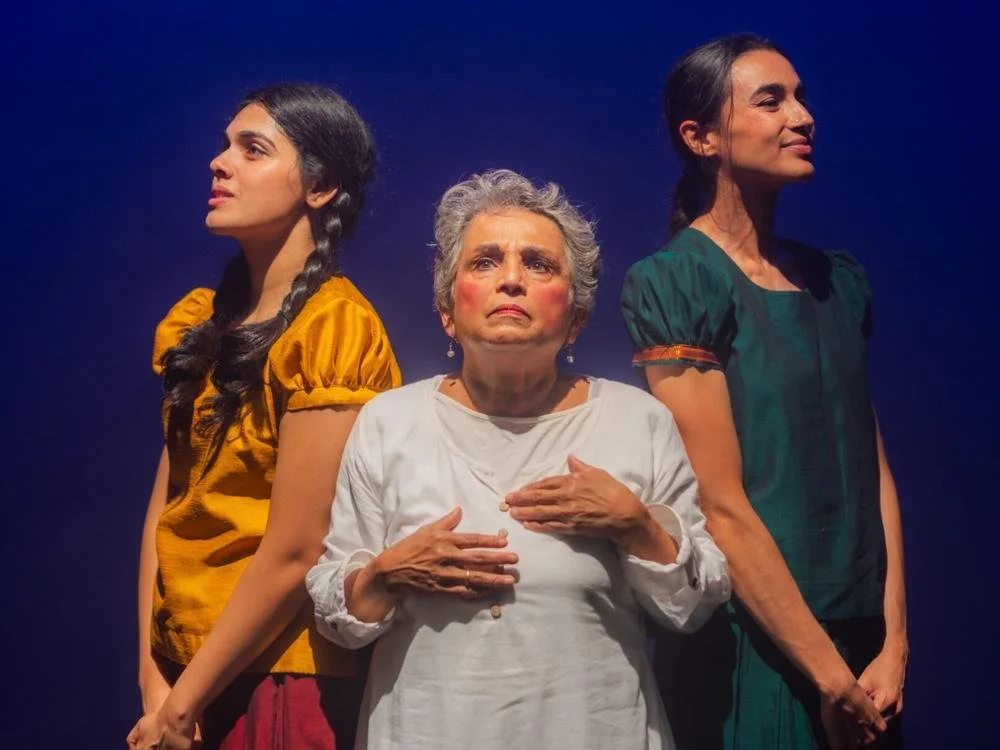
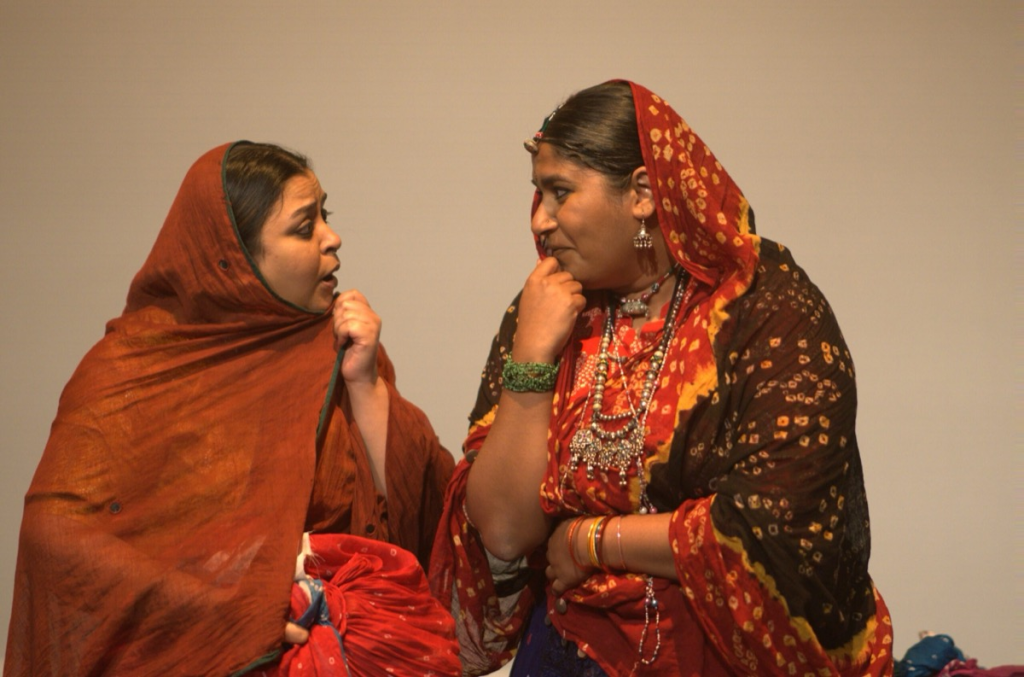
Sananda Chatterjee’s first play Kitty Party / Mt Roskill Murder Club aims to entertain and represent. It’s her take on a classic Agatha Christie-esque murder mystery, but delivered with a cast of eccentric Aunties; layered characters inspired by the beloved Kitty Parties of North India and her childhood in Delhi. It’s also her very first play.

“A quiet Mt Roskill street is rocked by a suspicious death,
turning a regular weekly gathering of women into a night of
spiralling paranoia and spilled tea.”
  

Born in Kolkata and raised between Delhi and Tāmaki Makaurau, Sananda brings a deeply layered creative practice shaped by theatre, identity, movement, and community. A multi-disciplinary artist and producer, her work spans large ensemble pieces with Prayas Theatre to intimate & independent projects exploring gender, relationships, and belonging.

Sananda is also sought-after producer, mentor, researcher and Cultural Insights specialist (currently at The Big Idea). She cares deeply about how stories land, who they speak to, and how they shift us.

Now in the driver’s seat, Sandy chats to PAT about what keeps her coming back to this one.

BOOK NOW!

Kitty Party / Mt. Roskill Murder Club
by Sananda Chatterjee

Sat 13 June, 7:30pm
The Factory Theatre, Onehunga

Image: Prayas Theatre

Where do you draw inspiration for this play?

I started thinking about this project as a way to make space for older South Asian women actors who I knew were out there, turning up to Prayas auditions, but for whom the scripts just weren’t being written. We had to dig so hard to find good stories where women weren’t just sexy lampshades.

So that was really the genesis — seeing all these talented women from the community continue to show up, only to be turned away because there were no roles for them, or be forced into bitsy parts, or have three separate characters smashed together to make one juicy role for a good actor. I thought I’d have a crack at it, and wrote up a one-pager maybe four or five years ago.

Were there particular experiences, ideas, or tensions that inspired this piece?

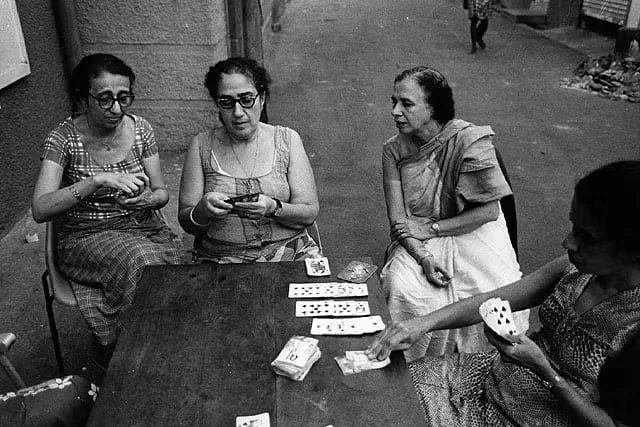
The Kitty Party! It’s a social gathering for women, usually organised by stay-at-home women, and often includes a regular savings component. It’s typically a monthly event, and I knew it as something common in North India, especially in Delhi, where I grew up.

When I read more about it, I learned it may date back to post-Partition India, when many families were struggling financially. Each woman would contribute a set amount, and the pooled money for that month — the kitty — would go to one member of the group. It also became a safe space for women to relax, experience joy, and enjoy an afternoon together. The exchange of information at these gatherings is incredible. It’s a true community. And that felt like such an interesting structure to base a murder mystery on. Of course the content has evolved over the years, as the world has and my feelings have changed and resolved etc so it isn’t the same story I started with – but the essence of it remains the same – the bonds of women.

From “Kitty Parties Were Never About the Gossip; They’re About the Women” by Rajvi Desai for The Swaddle. (Image via DBS)

What made this a story you wanted to tell, and what keeps you coming back to this story, on a personal level?

Image: Prayas Theatre

I love friendship between women (and all who consider themselves in this category) — there’s this classic combination of affection, care, and brutal honesty that gets dished out as needed. I know my gaggle of geese will, with great pleasure, remind me of all my terrible past romantic choices while also absolutely helping me bury a body (IN THEORY). There is also something incredible about the idea of ‘aunties’ and the way information travels through them. When I was growing up in Delhi, all the kids were so wary of the neighbourhood aunties who would casually stand at their windows watching what everyone got up to. They had a network to rival any spy agency. I got into trouble TOO MANY times as a young person because of that network. But as I’ve grown older, and their prisons have become clearer to me, I’ve found I have so much empathy for them. I want to know more about them. I want them to be at the centre of the narratives. I bet they could fill many books with the stories they have to tell.

What are you hoping to get out of your development reading?
A good draft, really. Something that will hopefully have a life beyond this reading. I want to see how much I need to stay within the genre, and how much I can stretch it.

What’s one thing you’d like to share about your writing process?
The process is chaos, and the method is very pressure-driven. I don’t know why I thought I would suddenly be any different from how I wrote my papers at university. Back before you could submit essays electronically, you had to take them to your tutor or lecturer’s office and put them in a box or hand them over in person. I still have a very real memory of running from Kate Edgar Commons to the old Film building to make the cut-off with one minute to spare. Ya, so. NOTHING’s changed. But I do genuinely need the noise of time to be silenced — it really is a barrier. The kind of pressure that makes it impossible to focus on anything else is what I need. BUT I have learned this about myself: if I know the world well, the story will be much easier to pen – so I guess I kept dreaming about the world and really detailed it in my head, even as I procrastinate from putting the final touches on it!

What’s one question you have about your own script or story at this point? Or a problem you’re trying to solve?
I think, as a murder mystery fangirl who is always guessing the killer from the get-go, what I’m most interested in finding out is whether the vehicle of the genre holds for the story. Have I given myself too big a problem to solve? For my first feature-length work? HAVE I??


We can’t wait to find out!

Sananda is supported by dramaturg/director Sameena Zehra (Tea with Terrorists) along with a gorgeous cast including Pamela Sidhu (Spartacus: House of Ashur), Sudeepta Vyas (The Best Exotic Marigold Hotel), Arti Kansara (Much Ado About Nothing), Ayesha Heble (Shortland Street) and Karishma Grebneff (Basmati Bitch).

TICKETS ARE NOW LIVE!

BOOK NOW!

Kitty Party / Mt. Roskill Murder Club
by Sananda Chatterjee

Sat 13 June, 7:30pm
The Factory Theatre, Onehunga

Don’t miss the rest of the series in May and June!
BOOK NOW!


PAT CHATS: Seeing Double: Louise Jiang on her first 'sit-down' play

Careful what you wish for: Robots and burnout

Louise Jiang is most known for her high energy solo, her prolific and growing screen presence, and her love of physical theatre. Seeing Double is her first pen-to-paper play, a story of the world’s youngest self-made billionaire who secretly clones herself to avoid burning out at work.

Louise Jiang

A graduate from Toi Whakaari on the Bill Guest Scholarship, Louise Jiang (Chinese) is an actor and maker across stage and screen. With a vested interest in devised theatre, her recent theatre work includes ‘Wrest’ with Red Leap Theatre as well as Scenes from a Yellow Peril by Nathan Joe and Ciggy Butts in The Sand (Tupua Tigafua). On screen, Louise features in Sweet Tooth (Netflix), Camp Be Better and Warren's Vortex (TVNZ). 

Outside of performing, Louise is expanding her craft this year as an emerging writer and director. After debuting her devised solo show 'actor//android' at Tahi Festival and then Basement Theatre in 2023, 'Seeing Double' will be the first play Louise has written sitting down, with the support of Proudly Asian Theatre as a part of Fresh Off The Page.

Where do you draw inspiration for your project? / Were there particular experiences, ideas, or tensions that inspired this piece?

Maybe as a perfectionist trying to practise a more sustainable middle ground, I naturally thought, “What would be the extreme of success?” Not too long ago, the youngest self-made female billionaire Lucy Guo, made headlines. She surpassed Taylor Swift and was a young Chinese American woman working in AI. I was really inspired by her because it was a kind of representation I wasn’t expecting to see. The play is not about her, but her success made me dream about our demographic of women and what goes on in the private moments during our success. 

Lucy Guo, the youngest, self-made female billionaire at 30 (as of April 2025)

’m really interested in alternate lives and what happens when we take things to the extreme, especially when we come up against our natural limits. If I were a Venn diagram, I’m a freelance artist and also a child of immigrants. In that overlap, I’ve noticed a lot of hustle among my peers and in my community. The same quest for excellence exists, but you’re navigating it in an industry that’s quite boundless and not always within your control.

I think the questions we have in this bracket are similar; How do you make a life? How do you reconcile ambition with living sustainably inside capitalism? All whilst taking into account the honour and filial piety of your culture?

I mashed those things together and set it in a world that’s new to me: the corporate world and the tech world. The startup scene especially high-stakes, businesses and leaders set to disrupt the industry. It felt like a great environment to set a play in.

What are you hoping to get out of your development reading?

I think the Fresh Off The Page development reading is a really exciting place to test my playwriting voice with an audience. Coming from an acting background, I’m often tuned into the voice and rhythm of the writer whose work I’m supporting. This time, being in the writer’s seat, I’m learning more about my own voice and how I like stories to unfold.

As an artist in Aotearoa, it’s also a really cool chance to connect with people and artists I may not have worked with before. It’s happening through writing rather than being seen on stage, and that’s refreshing, it offers up a new mode of connection.

I’ve been experiencing through the programme, the joys of being a student and learning how to build worlds through another lens of writing. I feel grateful to be adding to my kete of tools, and it grows my appreciation for more aspects of the creative process. Going wow, these are all the bits that make the whole before an actor even steps into the rehearsal room. I know I will come away with experience investigating from both sides of the story process and be able to contribute more in theatre making spaces.

Louise in Camp Be Better (TVNZ) as ‘Niah’

What’s one question you have about your own script or story at this point? Or a problem you’re trying to solve?

There are two areas of exploration and questioning for me.

One is getting the plot, climax, and ending to feel surprising and dramatic while still being satisfying.

The other is figuring out how to write scenes that actors can really play inside. I naturally think about that because I’ve been on the other side. I would like to produce dialogue that is layered and subtextual. Dialogue that feels muscular.

I’m learning what I like about through reading a lot of scripts and stories such as 'A Number', 'The Ugly One', 'Marjorie Prime'... But unfortunately, the poetic gift hasn't landed overnight. I’m figuring out how to find my way into the music of writing stylistically.

Poster for actor // android (2023) by Jode Wade Lee

What’s one thing you’d like to share about your writing process?

That focus can be a muscle. Before this programme, I never believed I could sit down and write for longer than 20 minutes without getting testy, fidgety or bored. But through just keeping at it, with practices like morning pages and the consistency of writing, I’ve learned how writing is all cumulative. To lean into the messiness and pull out the thread of what I'm trying to say.

Those consistent bits every day, or at least on the days you planned for, have helped me build trust and faith in myself. They’ve helped me return to my practice each time with more confidence.

So that's to say, anyone can do it! Kicking down the idea of what being a 'writer' looks like. That was holding me back.

What’s one question you have about your own script or story at this point? Or a problem you’re trying to solve?

What are the stages of burnout that we’re subconsciously aware of? What are the structures that contribute to the normalisation of burnout in our respective industries? And what does it take for each unique person to pursue ambition while living sustainably and leading a fulfilled life?

That’s very much aligned with how I’m observing and testing the way I construct my own life, both artistically and in terms of my overall wellbeing. While being realistic, I’m also having a bit of fun with the idea by putting myself in the shoes of someone in the corporate world, which I to see as a more extreme challenge of work life balance, compared to freelancing - where you get to design more or less your own schedule. 

actor // android. Photo: Julie Zhu

Something I’ve learned from reading academic texts, plays, and literature is that we’re all gifted with different modes of articulating ourselves. Dancers have great intuition and expressiveness through their bodies and movement. Writers do it through their words.

I’m at the very beginning of learning how to articulate myself through writing. I'm lucky to have had a way in through emotion and through movement. Right now, writing is about sharing my perspective on the world, and using the tools I have to start a conversation with the audience.

SEE YOU AT THE READING!

Seeing Double by Louise Jiang

Sat 20 June, 7:30pm

TICKETS ARE LIVE!

BOOK HERE

Louise is supported by dramaturg Nathan Joe (Scenes from a Yellow Peril) and director Batanai Mashingaidze (Dakota of the White Flats), with an incredible cast including Celine Dam (Basmati Bitch), Chye-Ling Huang (Homebound 3.0), Lucy Dawber, Kirana Gaeta and Dennis Zhang.


BOOK OUR TWO OTHER SHOWS IN THE TAMAKI SERIES HERE!

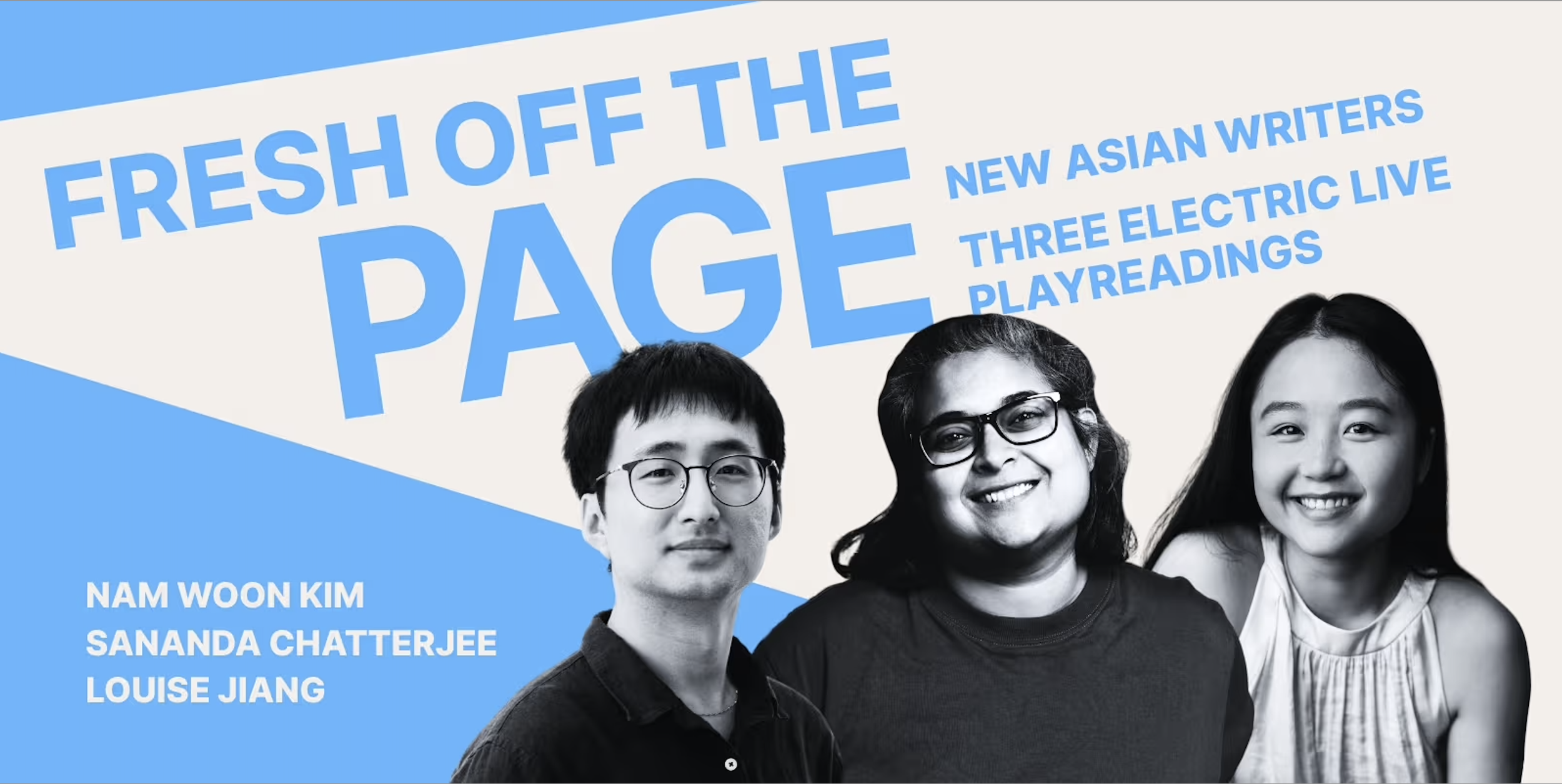
PAT CHATS: New Zealand Is A Garden; Nam Woon Kim's first Fresh off the Page

What must grow, must die.

To most, Aotearoa is an idyllic safe haven from the world where racial harmony has been largely achieved. But unseen layers run deep. Nam Woon Kim’s first play uncovers some ugly truths about Aotearoa’s past as he aims to dig into the complexity of those that are lucky enough to land on this soil. 

A land surveyor encounters a friendly ghost but fails to heed his warning, dooming a couple who will settle there years later, to a deep hunger beyond their understanding.

Nam is a writer and photographer interested in modern horror and the unexpected places you can find it – from the soft zapping of powerlines to vacant subdivisions. With a newfound appetite for theatre, this is his first time writing for the stage. Nam’s creative experience includes being an interpreter for a K-pop music video, running a university student magazine, and interning at an independent music label. He also loves zine-making and has tabled at Overload NZ and Auckland Zinefest.

PAT interviewed Nam ahead of his public reading.

New Zealand is a Garden by Nam Woon Kim:

Saturday 30 May, 7:30pm

This is a lab; an exciting first outing for a brand new story. Come through and support the next cohort of Fresh new plays!

BOOK NOW: bit.ly/FOTPAKL26

Where do you draw inspiration for your project? / Were there particular experiences, ideas, or tensions that inspired this piece?

Nam Woon Kim

When this story first started out as a series of notes and a loose premise three years ago, it lived on my computer as “The Garden”. The current title comes from a speech made by a senior diplomat to the EU who remarked that “Europe is a garden” and characterised the rest of the world as a “jungle” which Europe must guide.

New Zealand shares this arrogance and tries to maintain a facade of peace-loving enlightenment (a tough sell in 2026 given our complicity with the crimes being committed in Palestine, most recently also Iran and Lebanon). Although this story has changed since then, and continues to change with each rewrite, my most enduring source of inspiration is probably the tension between what New Zealand is, and what it claims to be.

... my most enduring source of inspiration is probably the tension between what New Zealand is, and what it claims to be.

Korean music is also always inspiring me. Vintage South Korean pop made prior to democratisation and the cacophony of my favourite album from last year, Huremic’s Seeking Darkness are some of what sits on my sonic mood board.

Huremic’s Seeking Darkness Album cover


What are you hoping to get out of your development reading?

This is my first time writing a play, and I’ve already gotten so much out of it thanks to Jane, my dramaturg (plus the amazing PAT team behind the scenes and the actors who’ve generously signed up to perform the reading).

It’s been a process of learnings and unlearnings, and from the reading itself with the audience there to guide me further, I hope to get a sense of whether the story feels grounded in something real. Does it feel plucked out of thin air? Or is there something honest to the proceedings? – though it may be dressed up in fiction. I hope to keep polishing the story and keep it alive after.


What made this a story you wanted to tell, and what keeps you coming back to this story, on a personal level?

I love art that captures what it feels like to be alive in our times today. A comment online said this in praise of a hip-hop duo I’m fond of, Armand Hammer, and I’ve never quite stopped thinking about it since – this idea of stories as archiving moments in history through emotions.

I wanted to tell a story that captures this essence of today through the lens I know best, that of a Korean immigrant living in New Zealand. Where do I sit in society? What has changed since I was a teenager? What hasn’t? These types of questions keep me coming back.

What has changed since I was a teenager? What hasn’t? These types of questions keep me coming back.

What’s one thing you’d like to share about your writing process?

I’ll confess I’m still figuring out my writing process! I guess working on this project I’ve learned that ruminating doesn’t produce any answers when feeling stuck. Stepping away from my phone and switching off with a movie, or a play, has been helpful to keeping the ball moving. Then when I least expect it, a breakthrough happens, usually when I’m brushing my teeth or in the shower.

What’s one question you have about your own script or story at this point? Or a problem you’re trying to solve?

Right now I’m revisiting the structure of the story. Reviewing what each character wants and how they might go about getting it has been helpful. Choosing an interesting, but honest, path for the characters to follow while tying things together thematically is my next challenge.

Nam is supported by dramaturg/director Jane Yonge (a mixtape for maladies, Our Own Little Mess, Scenes from a Yellow Peril) along with a stellar cast including returning whānau from PAT’s most recent production of Genuine and Stable, Junghwi Jo and Uhyoung Choi, joined by new whānau Hae Yeon Seol and Ben Son.

See you there!

BOOK NOW: bit.ly/FOTPAKL26

Fresh off the Page is BACK for 2026

Announcing our four cities for Fresh off the Page in 2026…

Ōtautahi, Te Whanganui-a-Tara, Tāmaki Makaurau and Ōtepoti

The rejections were thick and fast in 2025 – and morals were hard to maintain at times. But we weren’t alone, we didn’t give up, and a landslide of wins all came through in Q4, enabling us to finally relaunch our Fresh off the Page development and playreading series.

Jess, Chye-Ling and Marianne, the team leading Fresh off the Page 2026

We’re most excited to add Ōtepoti Dunedin to the mix this year, with some generous putea from Dunedin City Council supporting one writer as we step our toes into one of our favourite cities.


THANK YOU to our PAT whanau, for turning up, answering our surveys, and supporting us as we keep fighting for this kaupapa. We have the most generous and fierce supporters, and we are so grateful to keep making work with and for you! 
We have our writers ready to go for three cities, but Pōneke submissions will be opening soon.
Sign up to our newsletter for the most up to date info!